0573-84182266
+86-18661941877


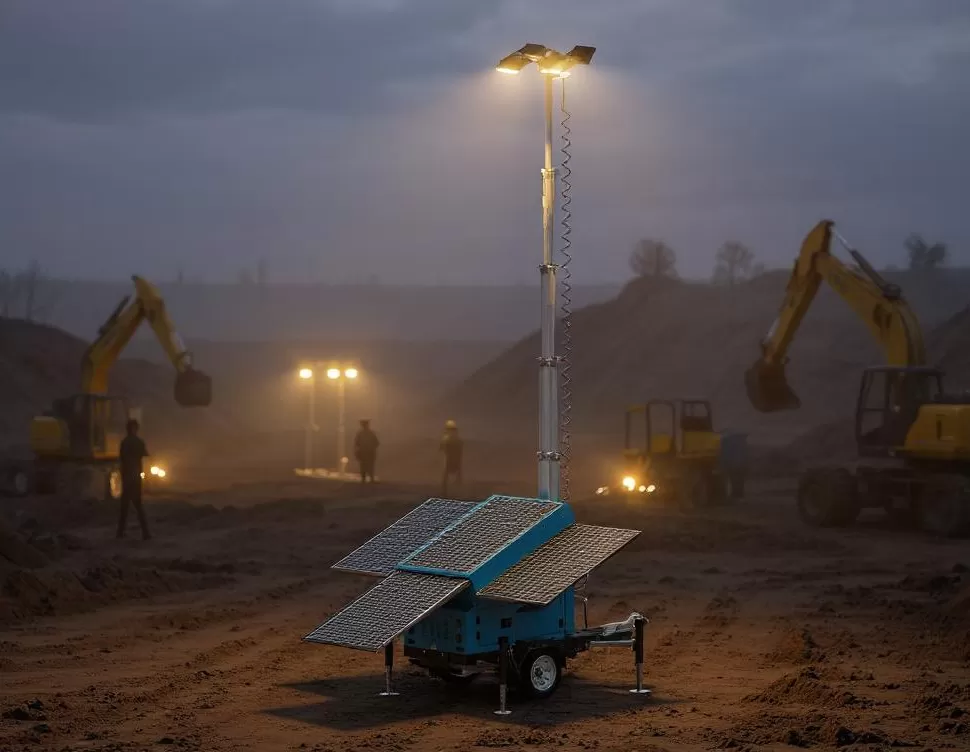
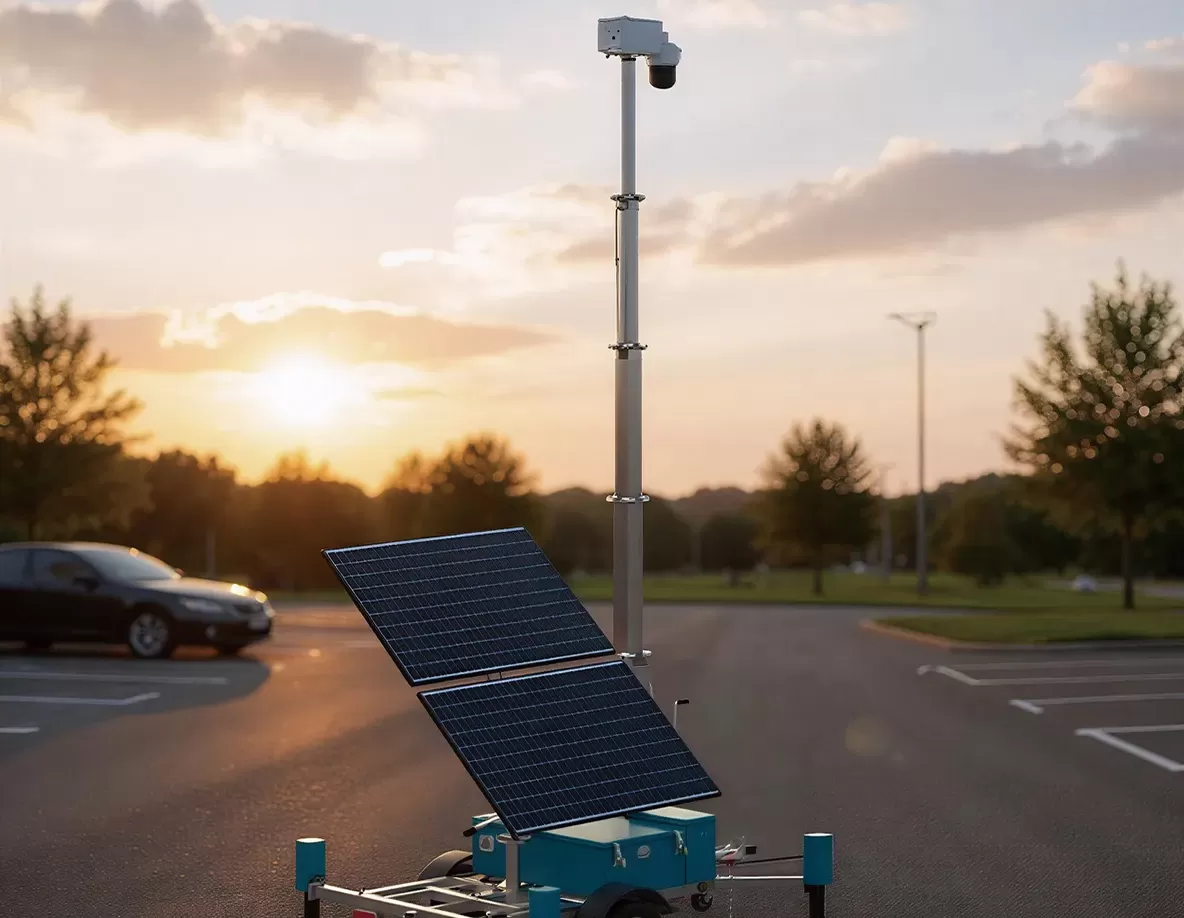
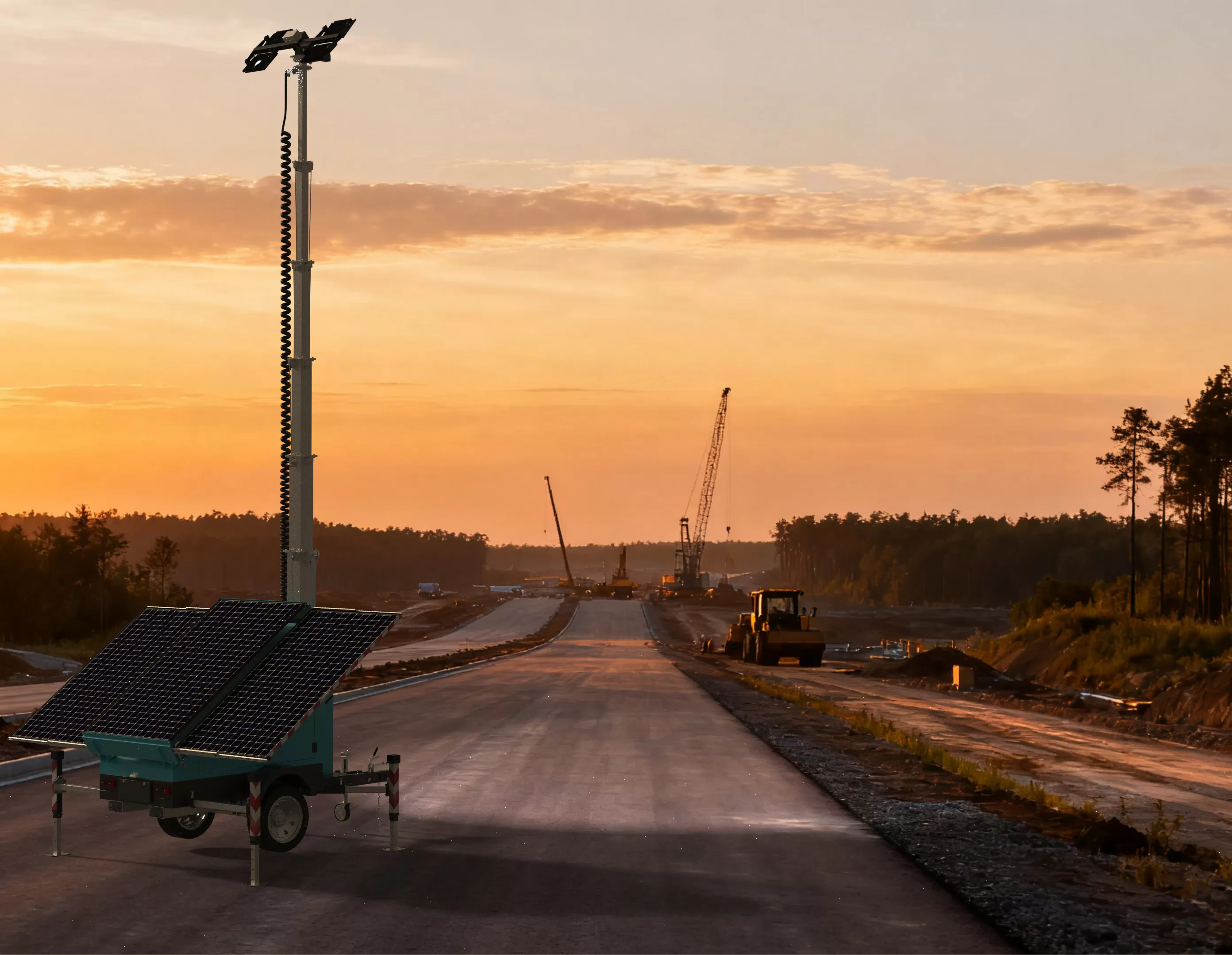

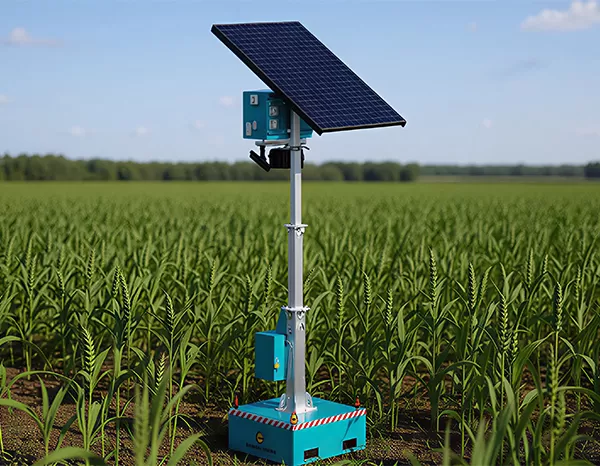
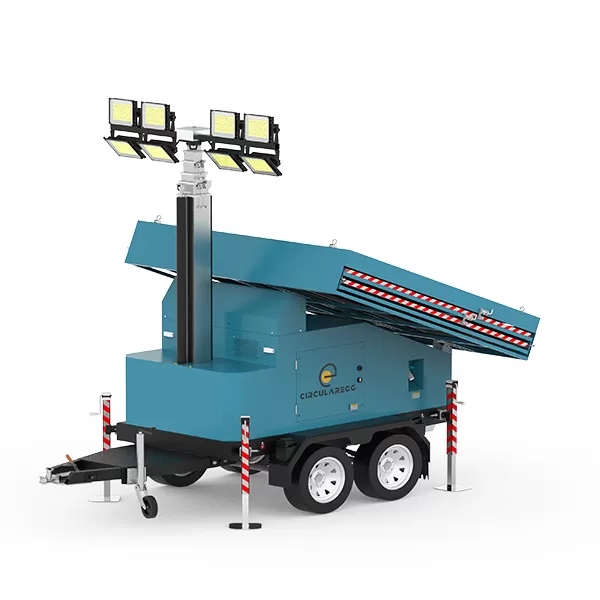
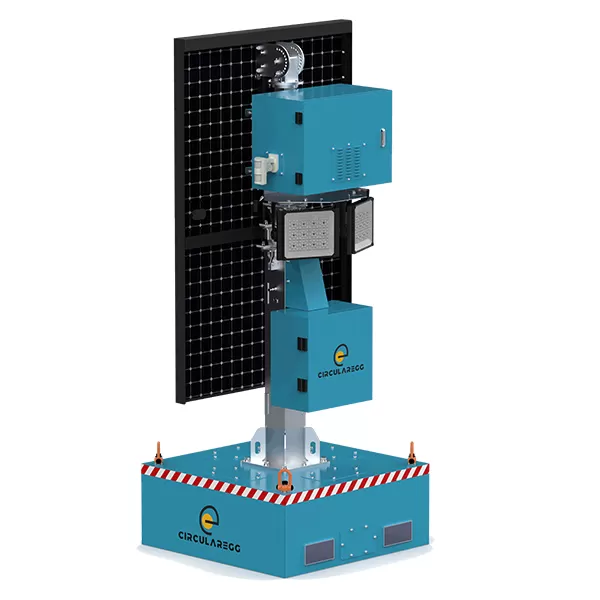
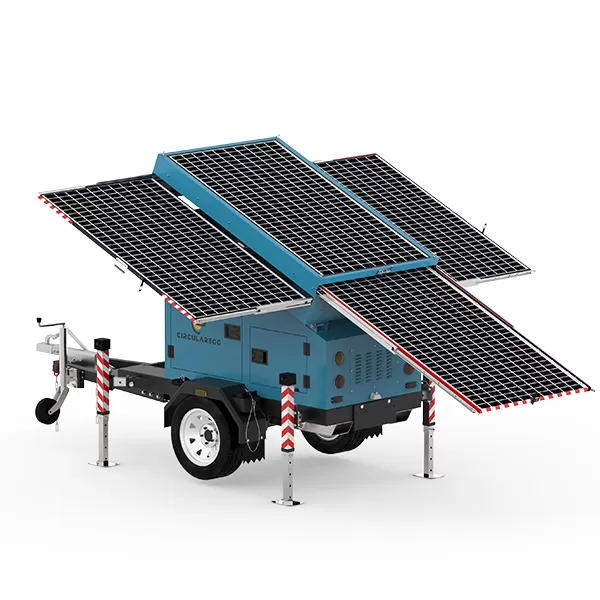
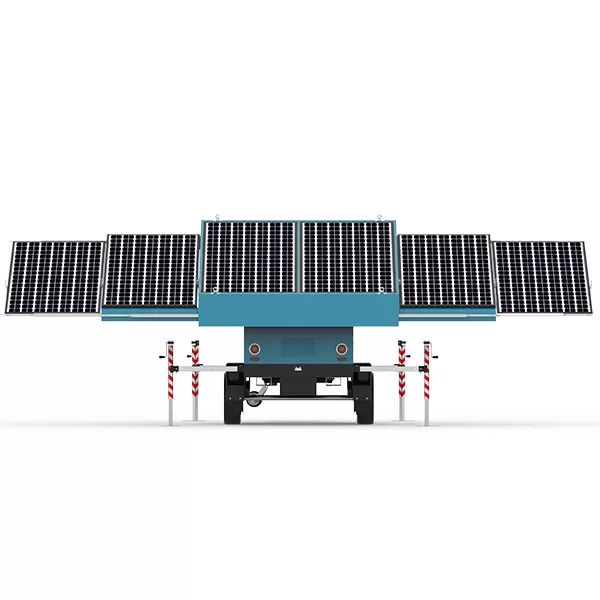
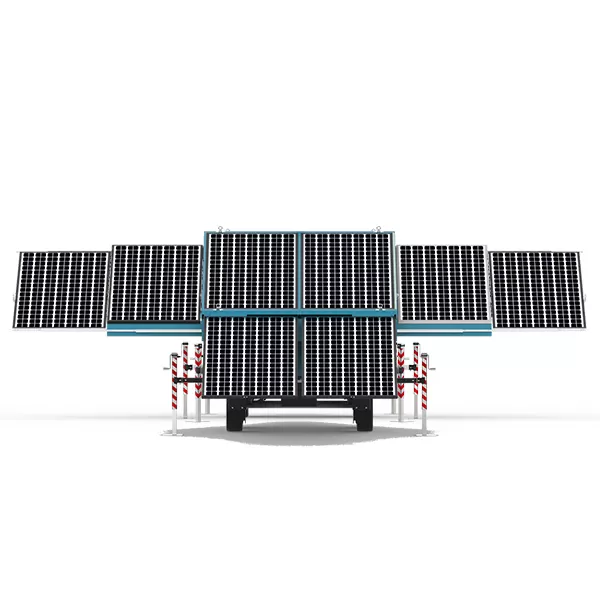
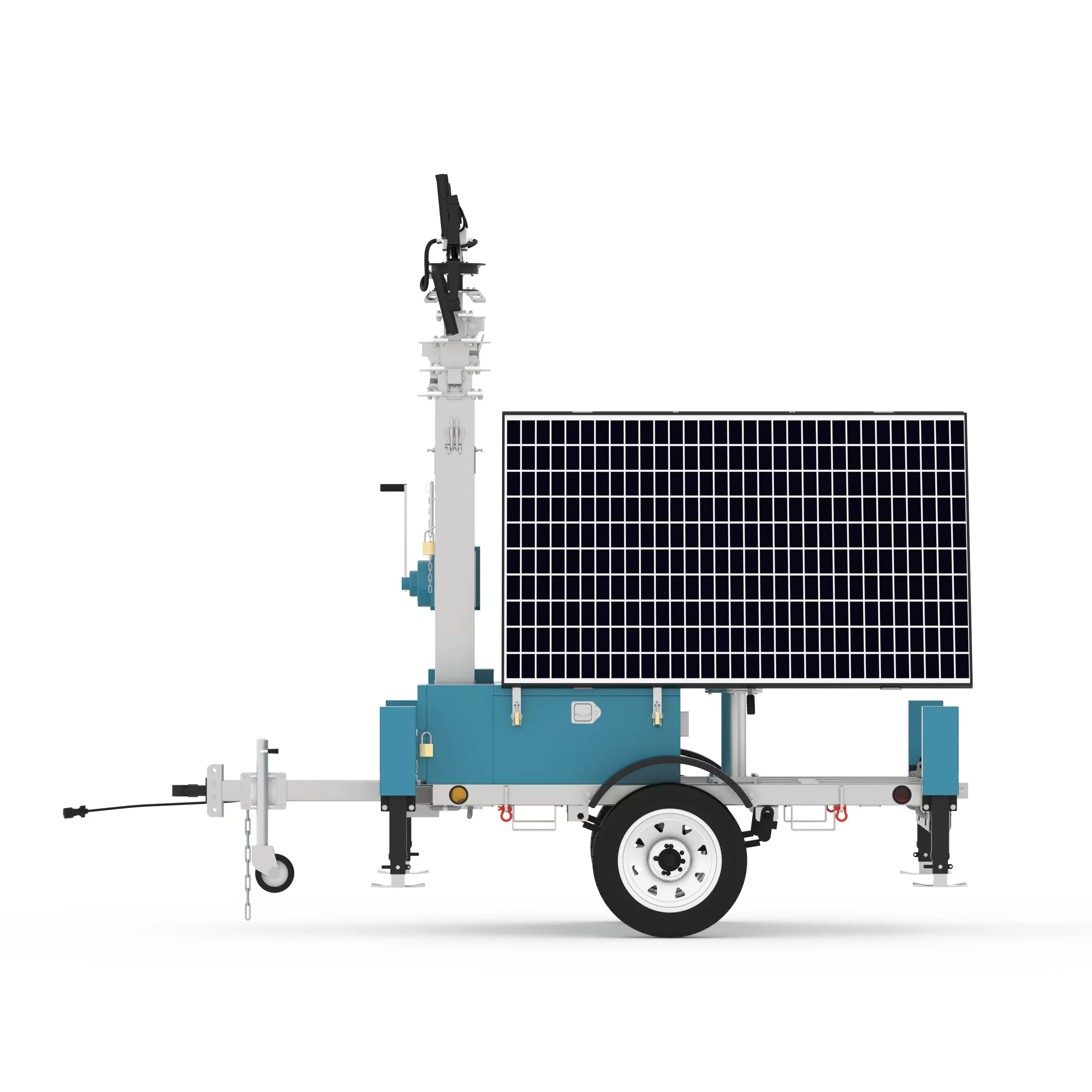
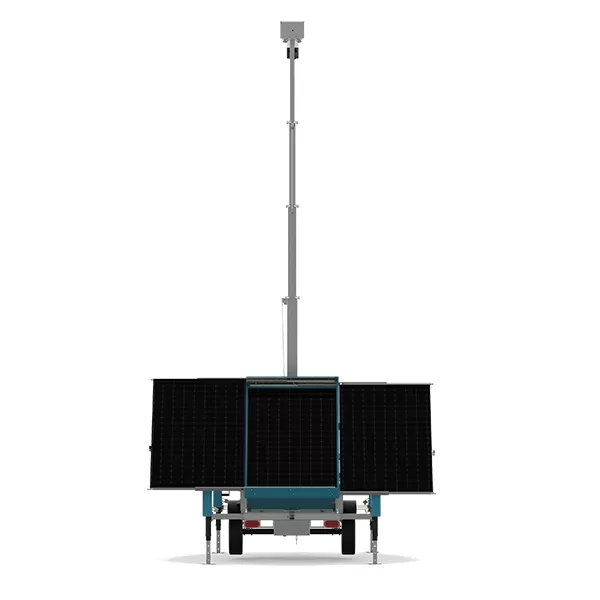
In the heart of vast wheat fields, tall solar-powered monitoring towers are offering a new perspective on how crops grow and respond to environmental change. Farmers are now using these autonomous systems to collect visual and environmental data throughout the growing season, transforming traditional observation into a data-driven process.
Each tower runs entirely on solar energy and uses advanced cameras to capture real-time images of wheat development, soil conditions, and canopy changes. Combined with AI algorithms, the system detects color variations, density shifts, and signs of stress—providing early warnings of drought, disease, or nutrient deficiency.
The data is transmitted wirelessly to farmers’ devices, allowing them to adjust irrigation and fertilization schedules more precisely. Agricultural specialists see this as a step toward “smart farming,” where technology supports environmental balance and higher yields.
As one agronomist commented, “For decades we relied on experience and intuition; now, with solar data towers, we can see growth patterns with scientific clarity.”