0573-84182266
+86-18661941877


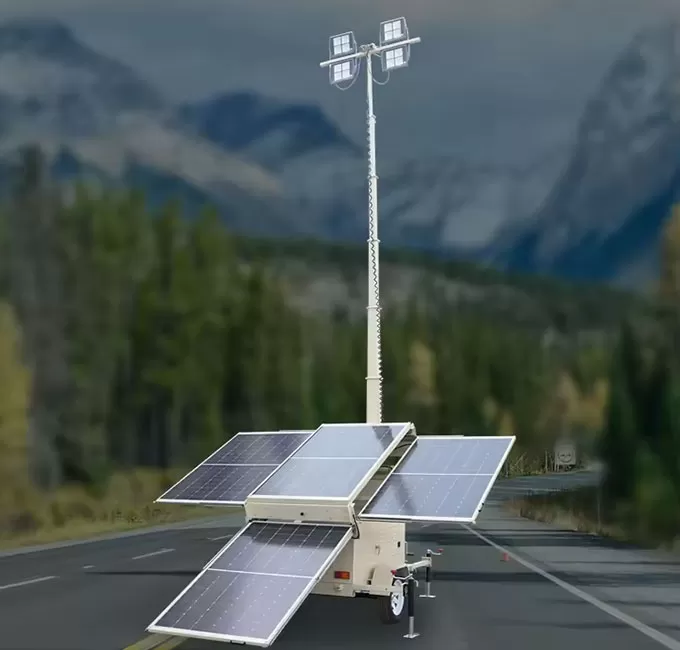
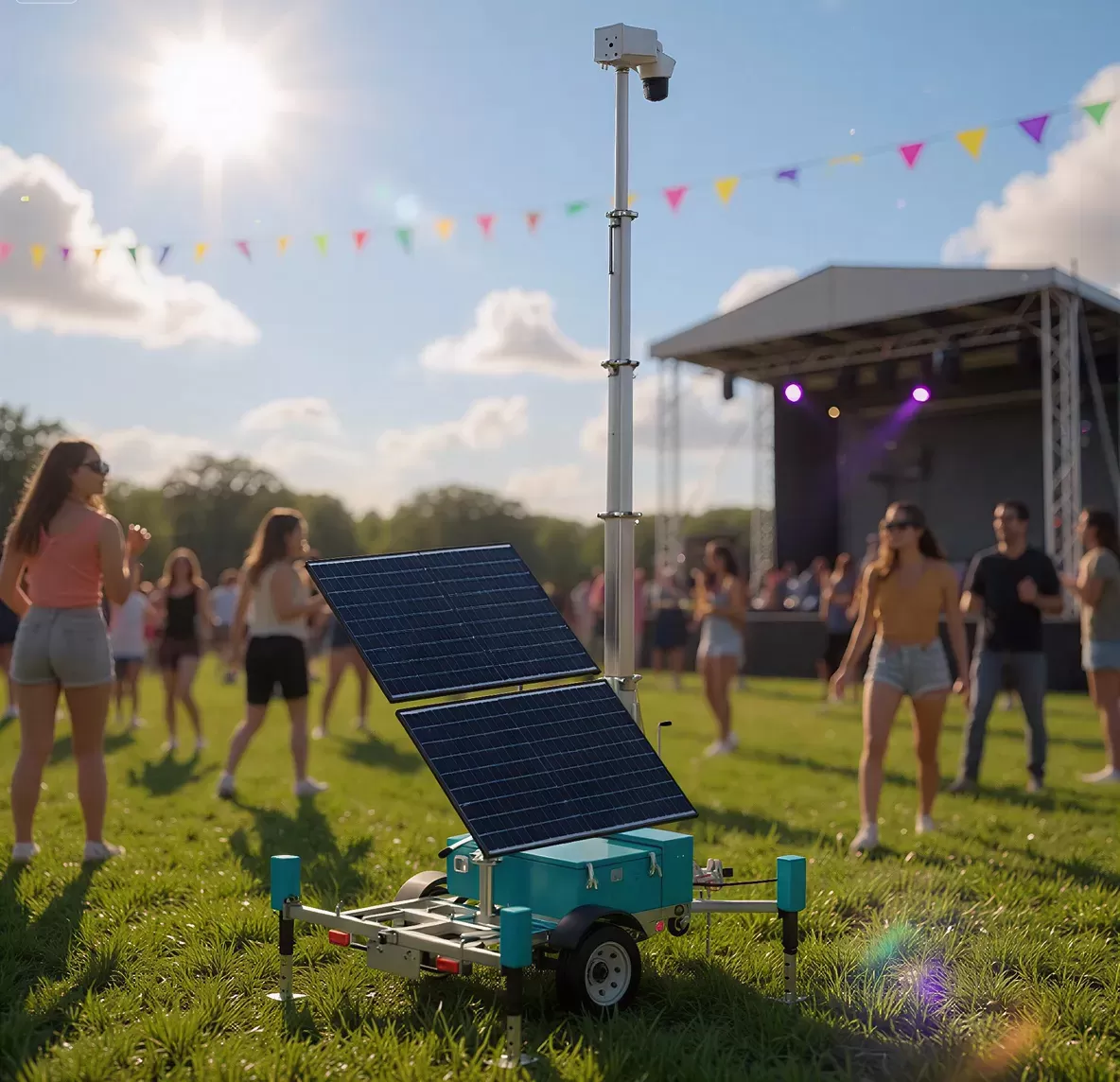
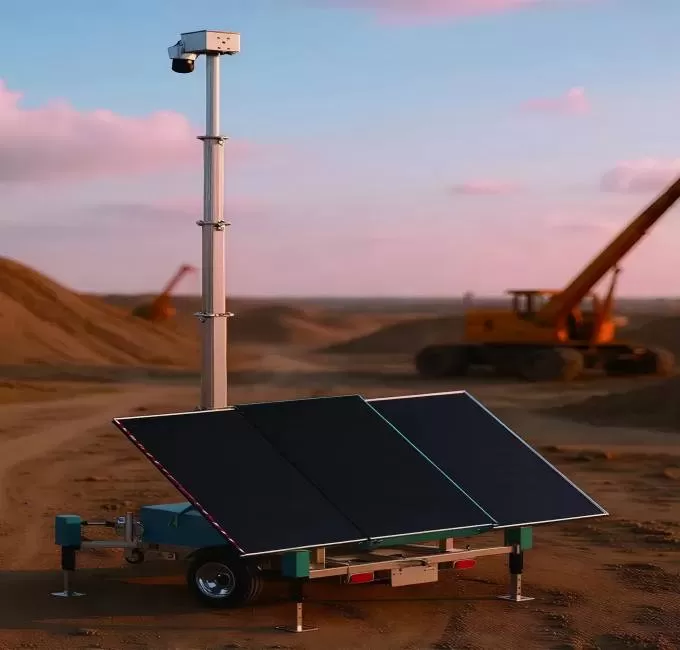
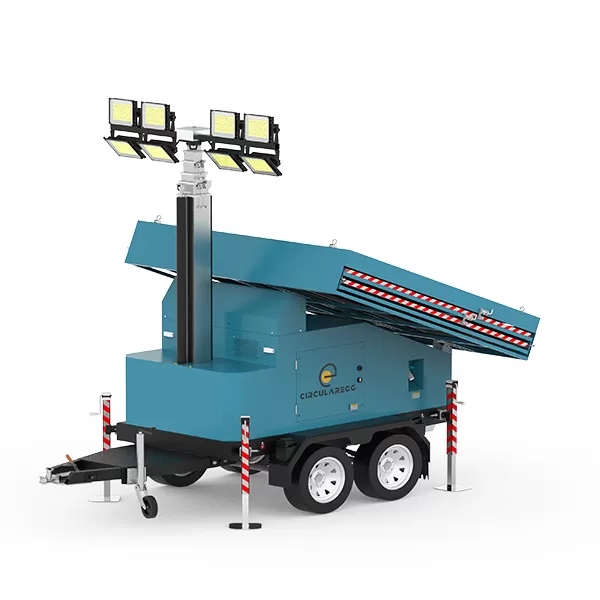
A solar power trailer is a mobile renewable energy system that combines solar panels, battery storage, and intelligent power management into a transportable trailer platform for temporary or remote electricity supply. As industries continue moving toward cleaner and more flexible energy infrastructure, solar power trailers are becoming a preferred alternative to diesel generators for construction, mining, emergency response, telecommunications, infrastructure projects, and outdoor events.
Unlike traditional generators, solar-powered trailers reduce fuel costs, minimize carbon emissions, and operate quietly while providing dependable off-grid electricity. Modern mobile solar trailers can reduce diesel fuel consumption by up to 80% in hybrid applications, according to data from the U.S. Department of Energy. For Australian businesses seeking sustainable mobile energy systems, CircularEgg provides scalable off-grid solutions tailored for industrial and commercial environments.
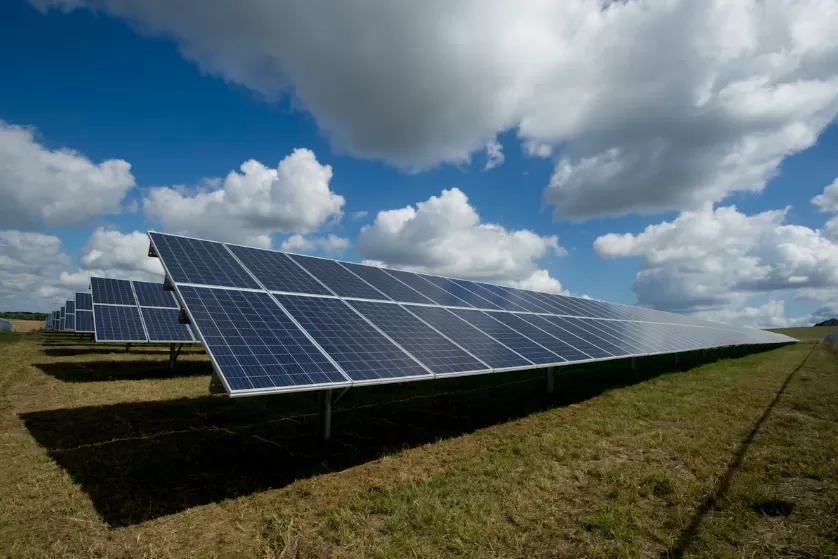
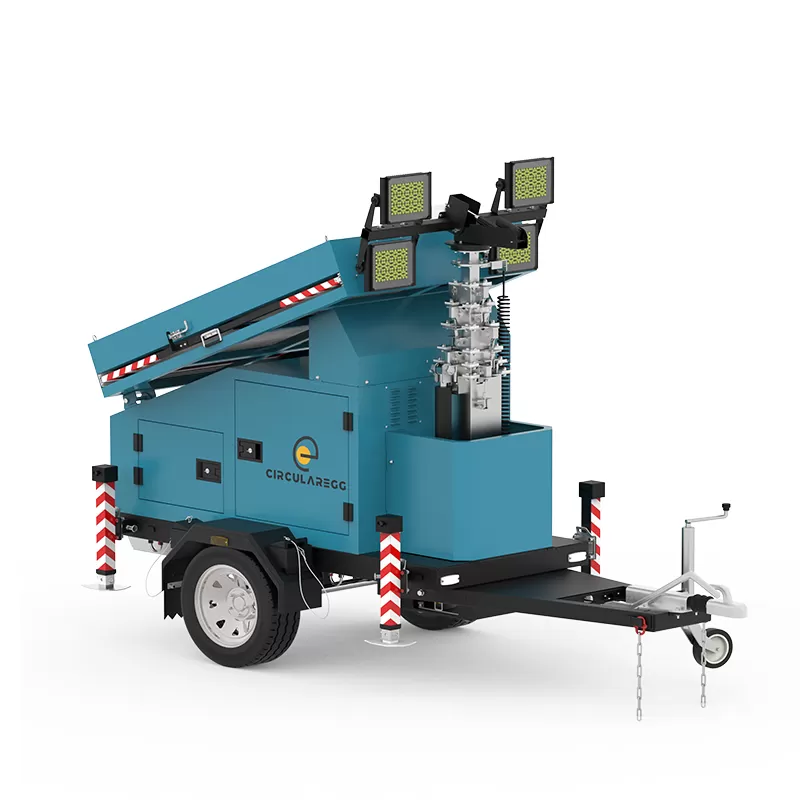
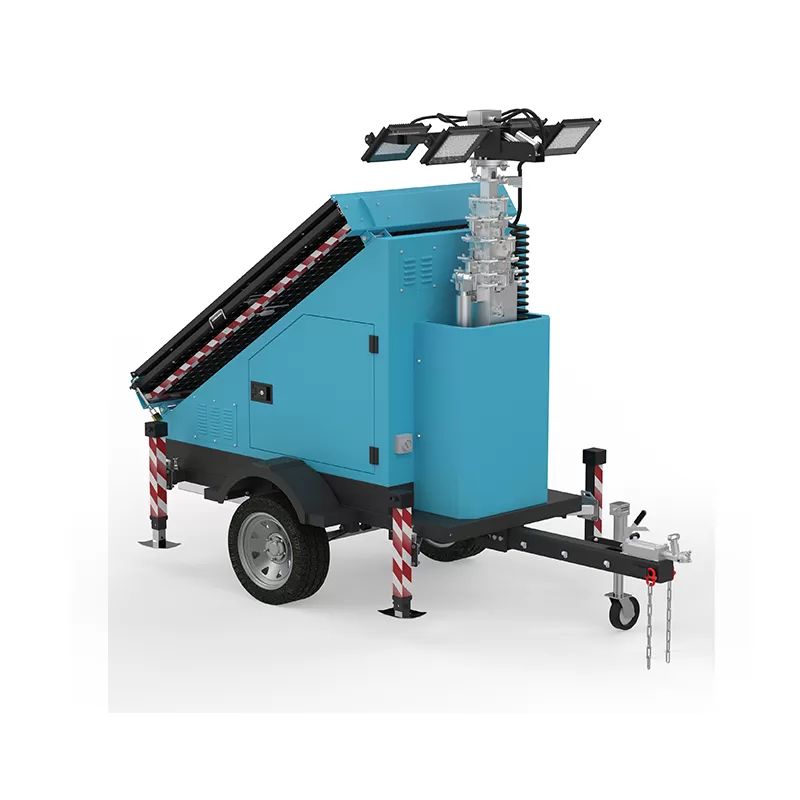
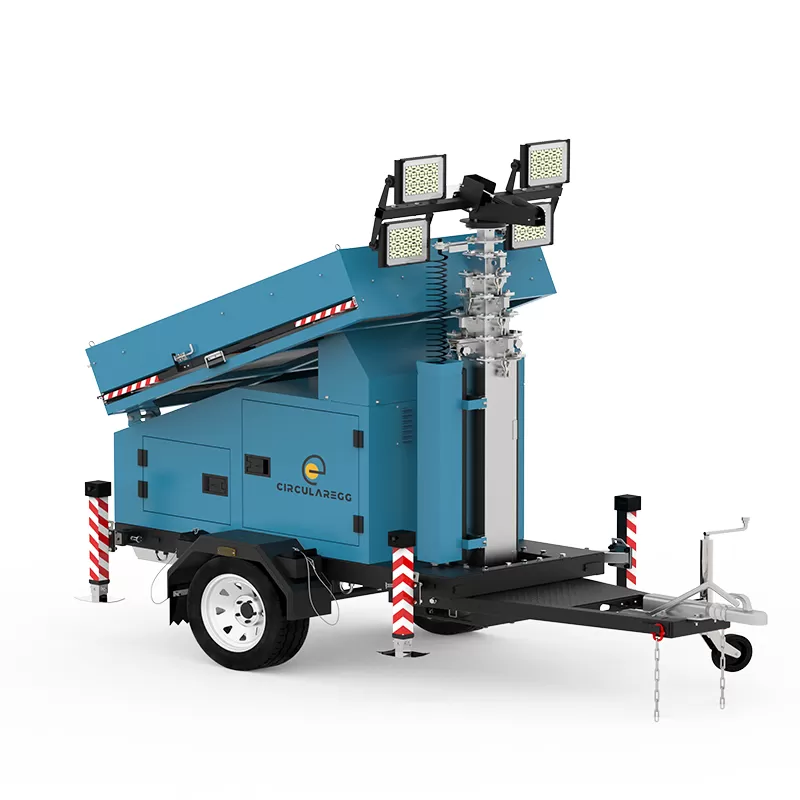
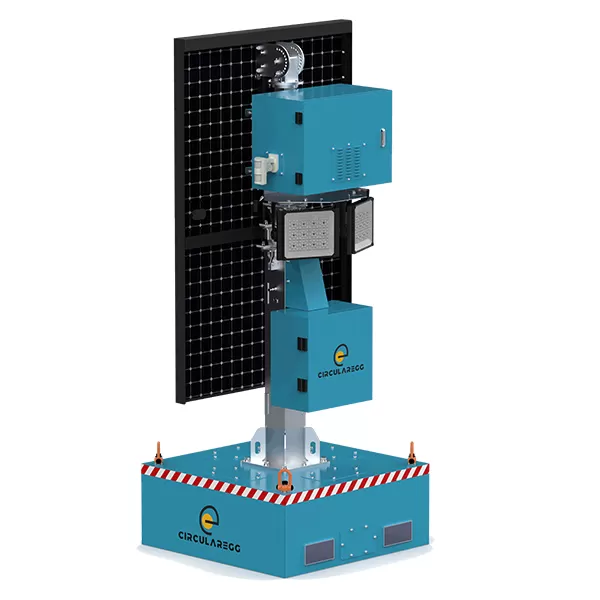
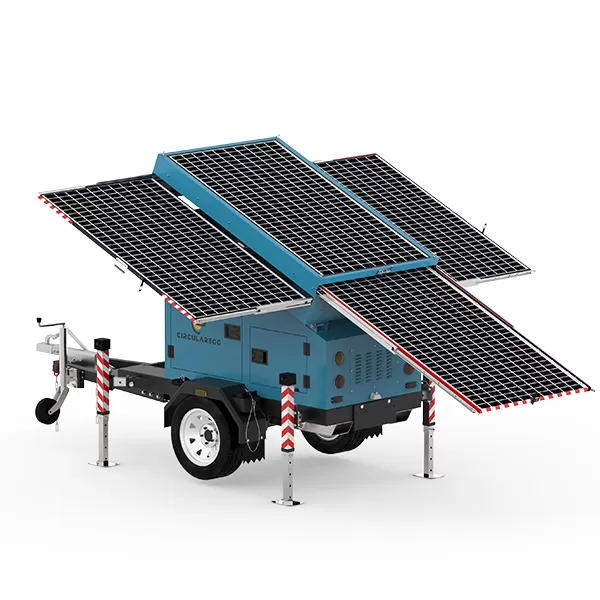
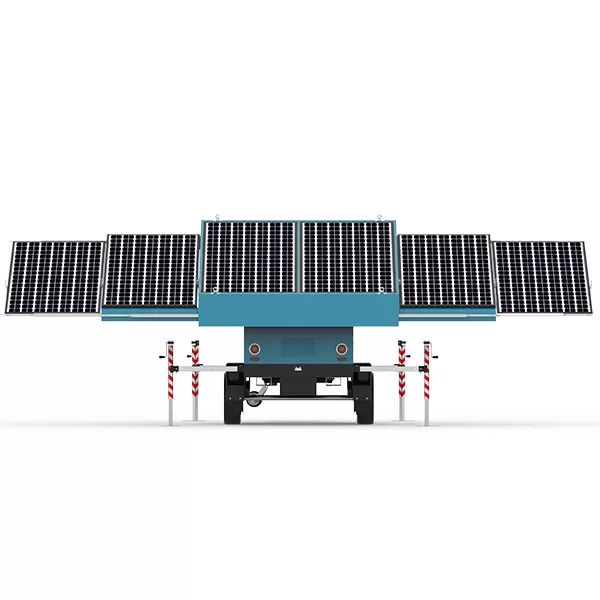
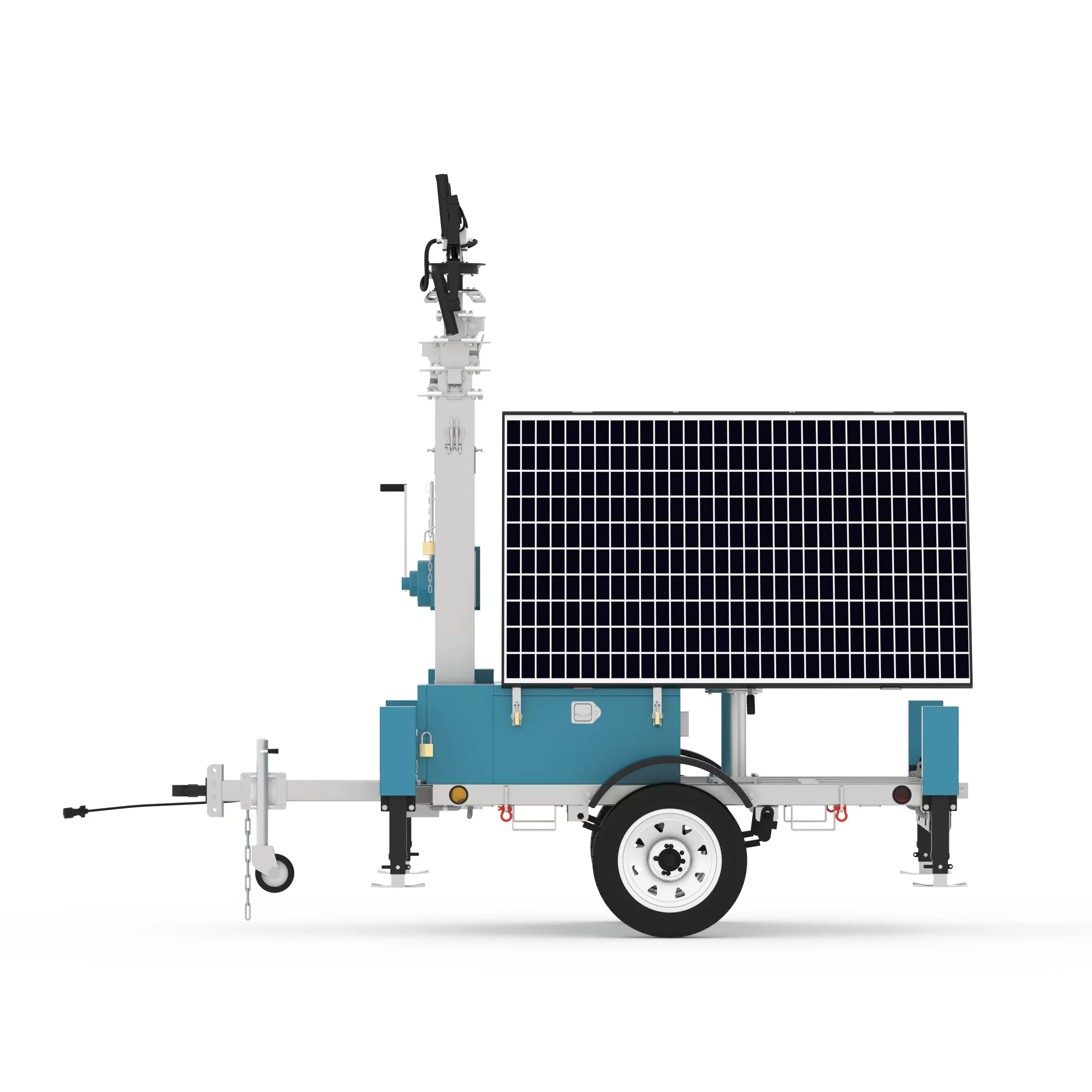
A solar power trailer is a towable renewable energy platform equipped with photovoltaic panels, battery energy storage systems (BESS), inverters, and monitoring controls to generate and store electricity in remote locations.
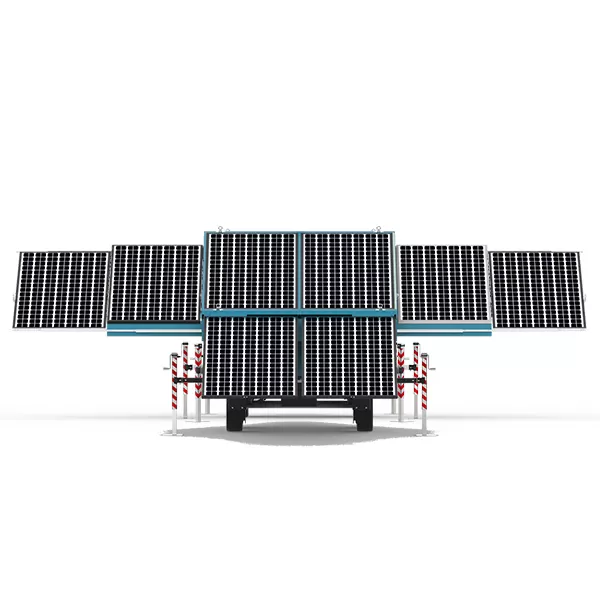
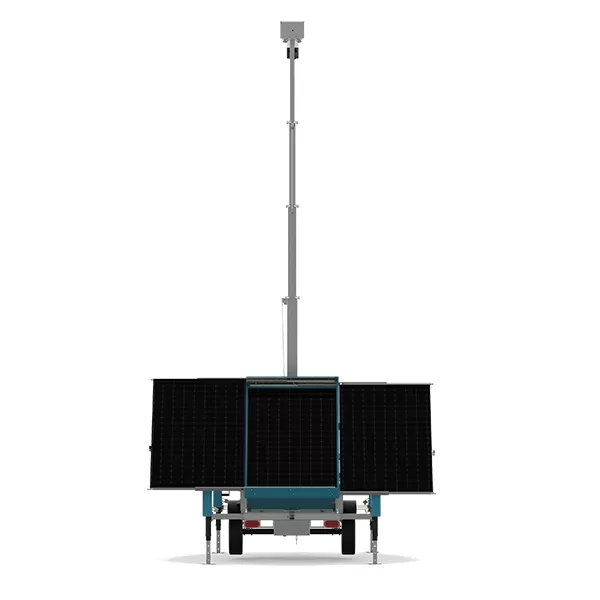
These systems are designed for mobility and rapid deployment. Most units feature foldable or telescopic solar arrays that can be expanded on-site for higher solar collection efficiency.
Typical components include:
High-efficiency solar panels
Lithium battery storage
MPPT charge controllers
Hybrid inverter systems
Trailer chassis with stabilizers
Remote monitoring software
Solar trailers are commonly used in:
Construction sites
Mining operations
Telecommunications towers
Disaster recovery zones
Outdoor festivals
Military operations
Agricultural projects
According to the International Energy Agency (IEA), solar PV capacity additions globally exceeded 420 GW in 2023, highlighting the accelerating adoption of mobile and decentralized solar solutions.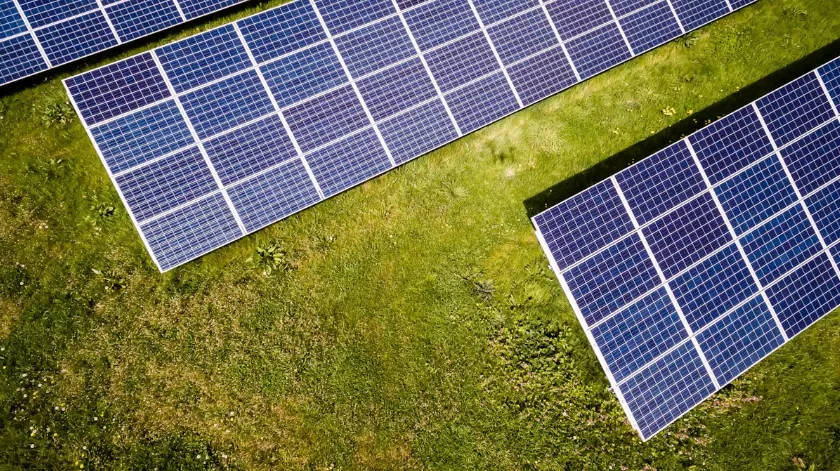
A solar power trailer works by converting sunlight into electricity through photovoltaic panels, storing excess energy in batteries, and delivering usable AC or DC power through integrated inverter systems. During daylight hours, the solar panels generate electricity that powers connected equipment while simultaneously charging onboard batteries. At night or during cloudy conditions, the stored battery energy supplies uninterrupted electricity.
| Component | Function |
|---|---|
| Solar Panels | Capture sunlight and generate DC electricity |
| Charge Controller | Optimizes battery charging efficiency |
| Battery Storage | Stores excess energy |
| Inverter | Converts DC power into AC electricity |
| Smart Monitoring | Tracks energy production and consumption |
Advanced trailers may also integrate:
Diesel generator backup
Shore power charging
Remote IoT monitoring
EV charging capability
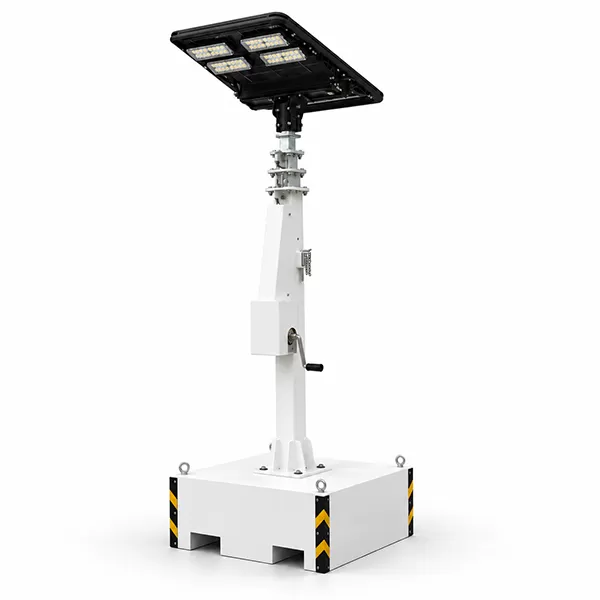
Portable lighting towers
Hybrid solar trailers can reduce operational costs significantly compared with diesel-only systems. Research from the National Renewable Energy Laboratory (NREL) shows hybrid renewable systems can lower fuel consumption and maintenance requirements in remote operations.
A solar power trailer differs from a diesel generator by producing renewable electricity with minimal noise, lower emissions, and reduced fuel dependency.
Although diesel generators still provide higher continuous output for certain heavy-duty applications, solar trailers deliver substantial long-term operational savings.
| Feature | Solar Power Trailer | Diesel Generator |
|---|---|---|
| Fuel Requirement | None | Continuous diesel supply |
| Noise Level | Very low | High |
| Carbon Emissions | Near zero during operation | High |
| Maintenance | Low | Frequent servicing |
| Operating Cost | Lower long-term | Higher fuel expenses |
| Deployment | Fast | Fast |
| Sustainability | Excellent | Limited |
| Ideal Usage | Remote sustainable operations | Heavy continuous loads |
For many temporary sites, companies now deploy hybrid systems that combine solar trailers with smaller generators to optimize efficiency.
In Australia, diesel fuel transportation to remote mining regions can increase total operating costs substantially, making solar-based systems increasingly attractive for remote industrial
infrastructure.
Solar power trailers provide portable, sustainable, and cost-efficient electricity for industries requiring reliable off-grid energy access. One of the biggest advantages is operational flexibility. Businesses can quickly relocate trailers between project sites without permanent infrastructure investment.
Traditional generators require constant fuel deliveries and ongoing maintenance. Solar trailers dramatically reduce:
Fuel consumption
Engine wear
Maintenance downtime
Logistics costs
Many corporations now face ESG and carbon reduction targets. Solar power trailers help organizations:
Lower CO₂ emissions
Reduce noise pollution
Improve sustainability reporting
Meet renewable energy objectives
Low-noise performance makes solar trailers ideal for:
Residential construction
Film production
Public events
Telecommunications equipment
Most systems can be deployed within hours, making them valuable for emergency response and disaster recovery.Circular Egg supports Australian commercial clients with customized mobile energy solutions designed for harsh environments, remote worksites, and temporary infrastructure deployment.
Choosing the right solar power trailer depends on power demand, deployment duration, environmental conditions, and mobility requirements. Before selecting a system, businesses should calculate:
Daily energy consumption (kWh)
Peak power demand (kW)
Runtime requirements
Site solar exposure
Backup power needs
| Factor | Recommendation |
|---|---|
| Battery Capacity | Match overnight runtime requirements |
| Solar Panel Output | Consider local sunlight conditions |
| Trailer Mobility | Evaluate towing and transport regulations |
| Weather Resistance | IP-rated components for harsh environments |
| Expandability | Modular battery or panel upgrades |
| Monitoring System | Remote diagnostics improve uptime |
For example:
Small telecom applications may require only 2–5 kWh daily
Construction projects may require 20–100+ kWh daily
Mining sites may require hybrid integration for continuous heavy loads
Lithium iron phosphate (LiFePO4) batteries are increasingly preferred due to longer cycle life and improved safety performance.
Solar power trailers are transforming how industries access reliable off-grid electricity by combining renewable energy generation, battery storage, and mobile deployment flexibility. Compared with traditional diesel generators, they offer lower operational costs, quieter performance, reduced emissions, and stronger long-term sustainability benefits. As demand for decentralized clean energy continues growing across Australia and global markets, businesses are increasingly adopting mobile solar systems for construction, mining, infrastructure, events, and emergency operations.
CircularEgg continues supporting commercial clients with scalable renewable energy solutions designed to improve efficiency, sustainability, and energy independence in challenging environments.
Solar power trailers provide temporary or remote electricity for industries such as construction, mining, events, telecommunications, agriculture, and emergency response.
In many low-to-medium power applications, yes. For heavy continuous loads, hybrid systems combining solar and generators are often used.
Runtime depends on battery capacity, solar conditions, and power demand. Some systems can operate continuously with adequate sunlight and storage.
Most commercial-grade systems are designed for outdoor operation with weather-resistant components and protective enclosures.
Pricing varies depending on battery size, solar capacity, inverter specifications, and customization requirements. Commercial systems may range from several thousand to tens of thousands of dollars.
Maintenance requirements are generally low and include periodic panel cleaning, battery inspection, and electrical system checks.