0573-84182266
+86-18661941877



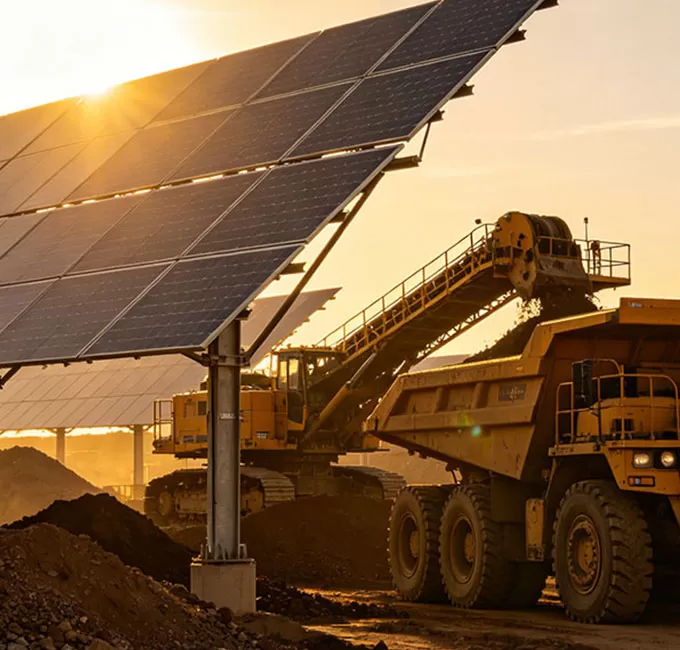
Solar power for mining refers to the use of photovoltaic energy systems, battery storage, and hybrid renewable technologies to provide reliable electricity for mining operations in remote and off-grid environments.
Mining companies worldwide are under increasing pressure to reduce operational costs, improve ESG performance, and lower carbon emissions. Traditional diesel-powered infrastructure remains expensive due to fuel transportation, generator maintenance, and volatile fuel pricing. As a result, solar energy is rapidly becoming a practical and scalable solution for modern mining operations.
For Australian mining projects, CircularEgg provides mobile and modular solar energy systems designed to support remote infrastructure, temporary worksites, and industrial operations.
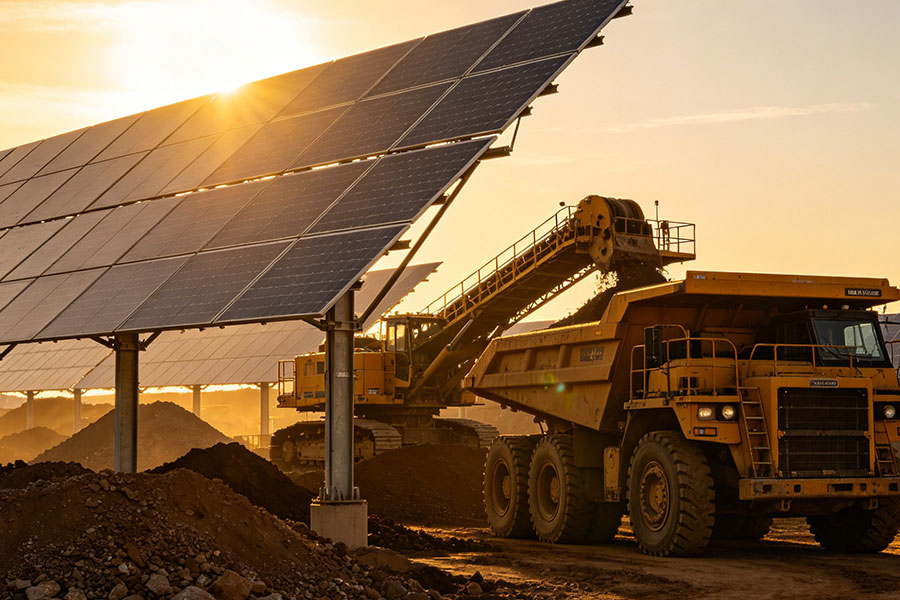
Solar power for mining provides a cost-effective and sustainable alternative to diesel generation in remote mining environments.
Mining sites often operate far from traditional electrical grids. In many regions, transporting diesel fuel to remote operations significantly increases energy costs.
Renewable energy systems help mining companies reduce:
Fuel consumption
Generator maintenance
Carbon emissions
Noise pollution
Downtime risks
A report from McKinsey & Company estimates that energy can account for up to 30% of total mining operational expenses depending on commodity type and site location. Solar integration also supports ESG targets and sustainability reporting, which are increasingly important for investors and regulators. In Australia, where sunlight conditions are highly favorable, solar infrastructure can deliver strong long-term energy savings for remote mining camps and temporary industrial projects.
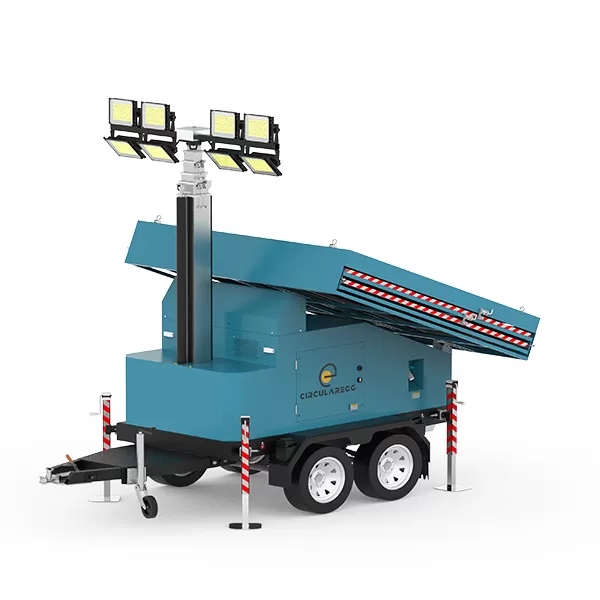
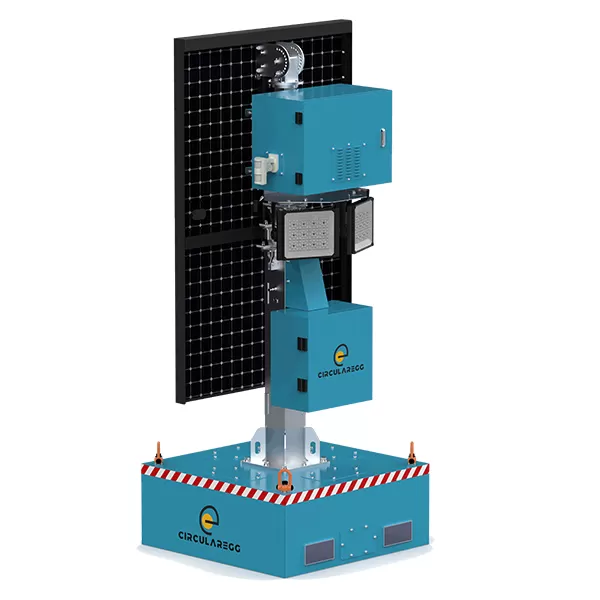
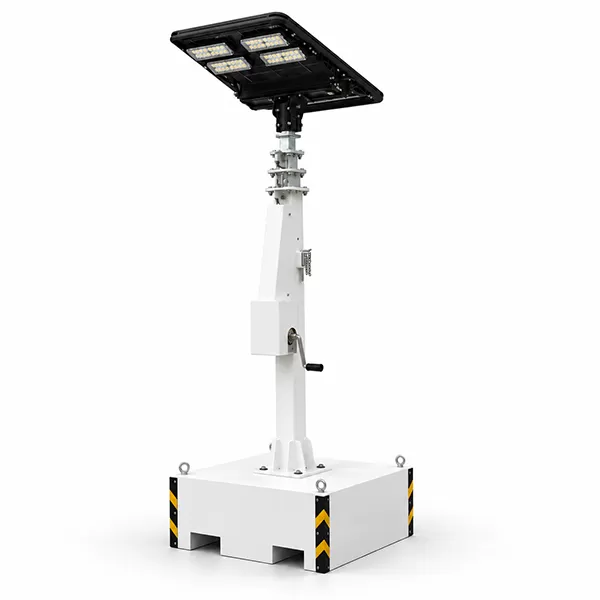
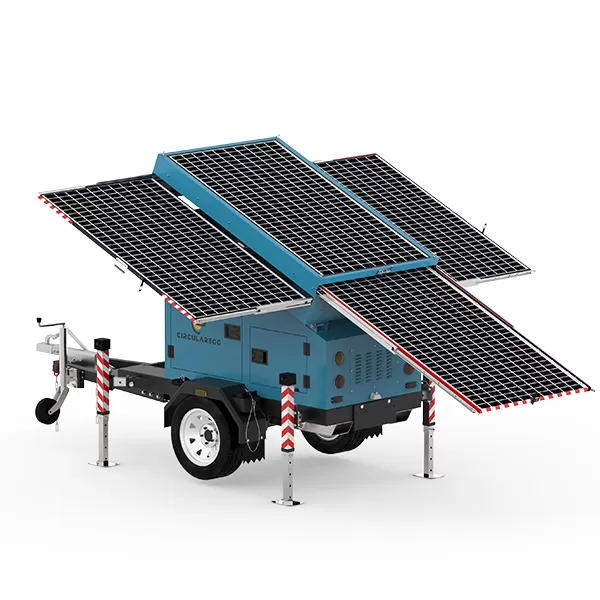
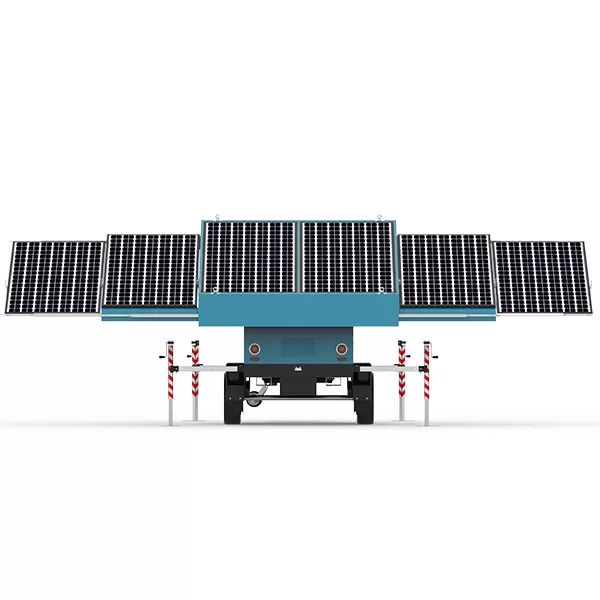
Solar energy systems used in mining include mobile and stationary renewable power solutions such as Solar Light Towers, Solar Generators, Solar Surveillance Towers, and Solar Skids. These technologies are designed to improve operational flexibility while reducing diesel dependency across mining sites.
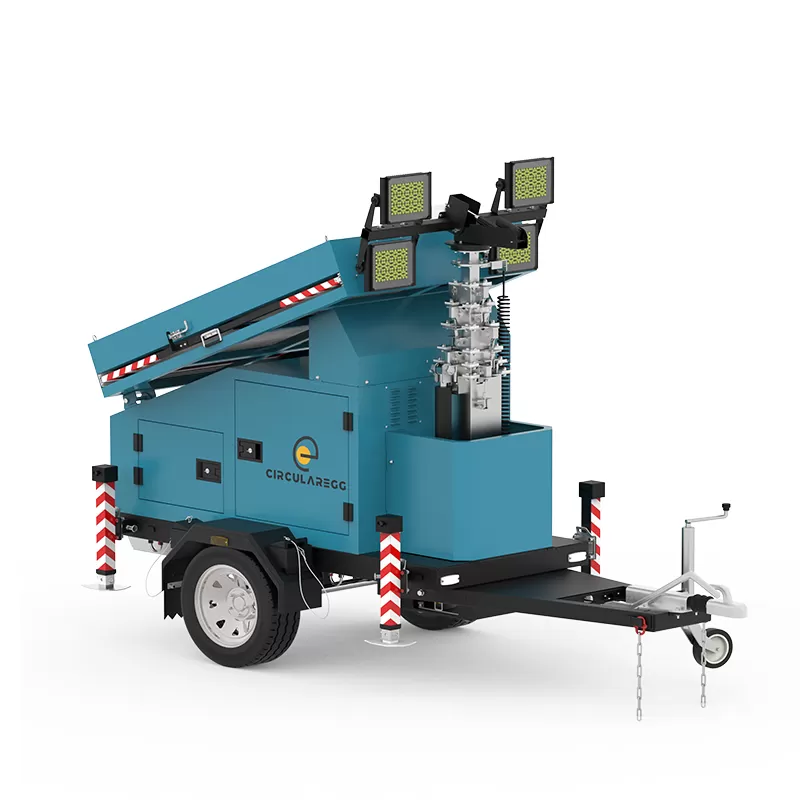
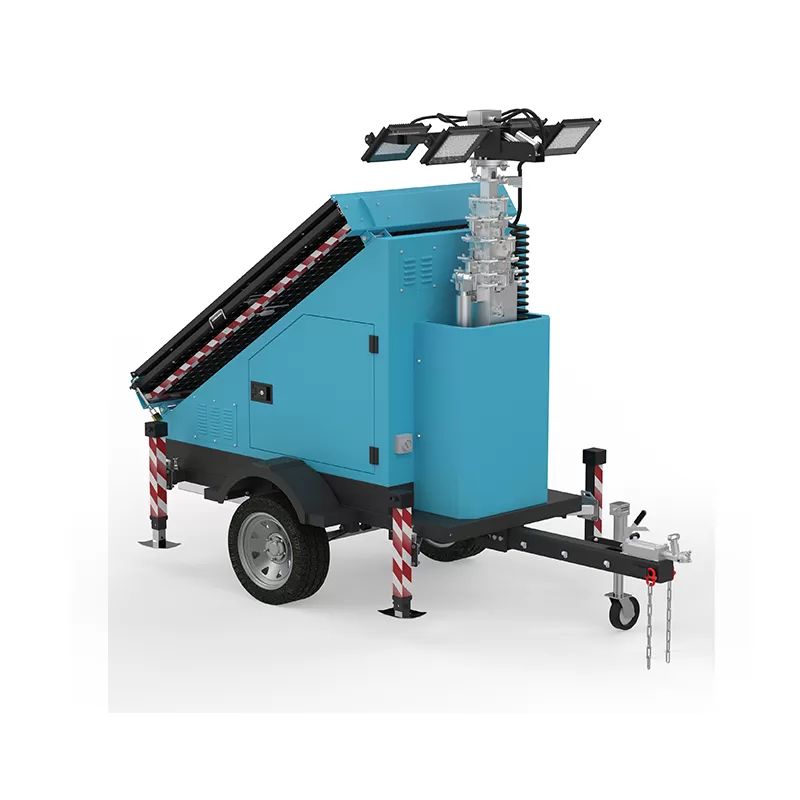
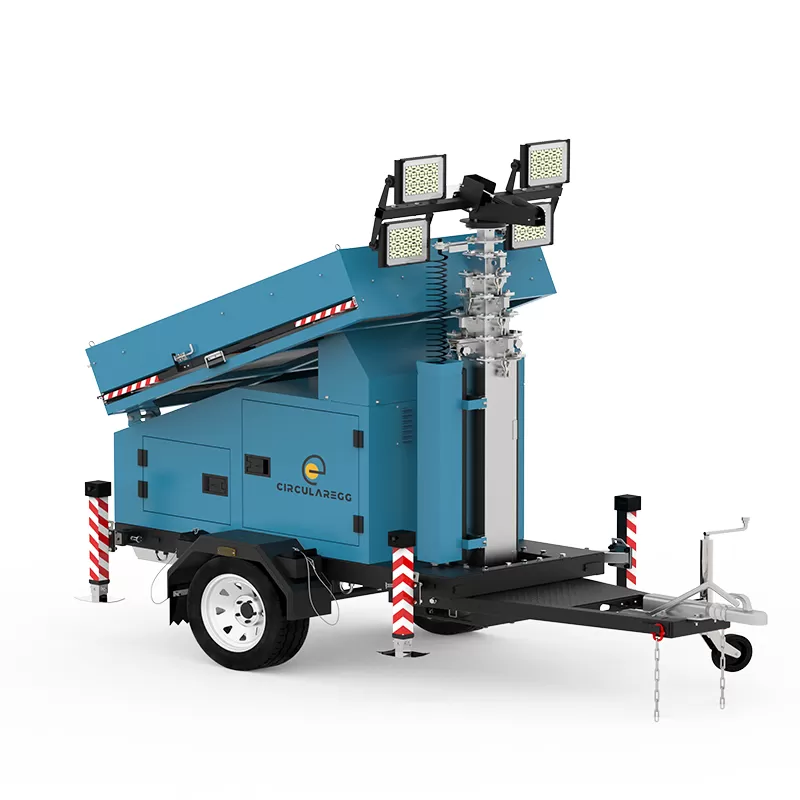
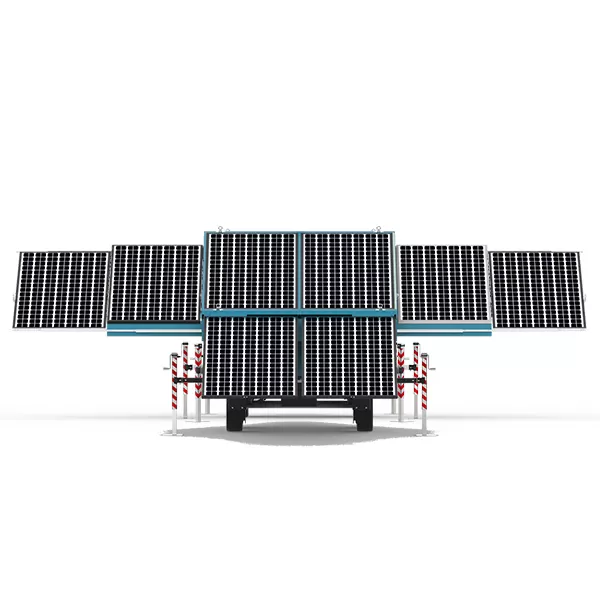
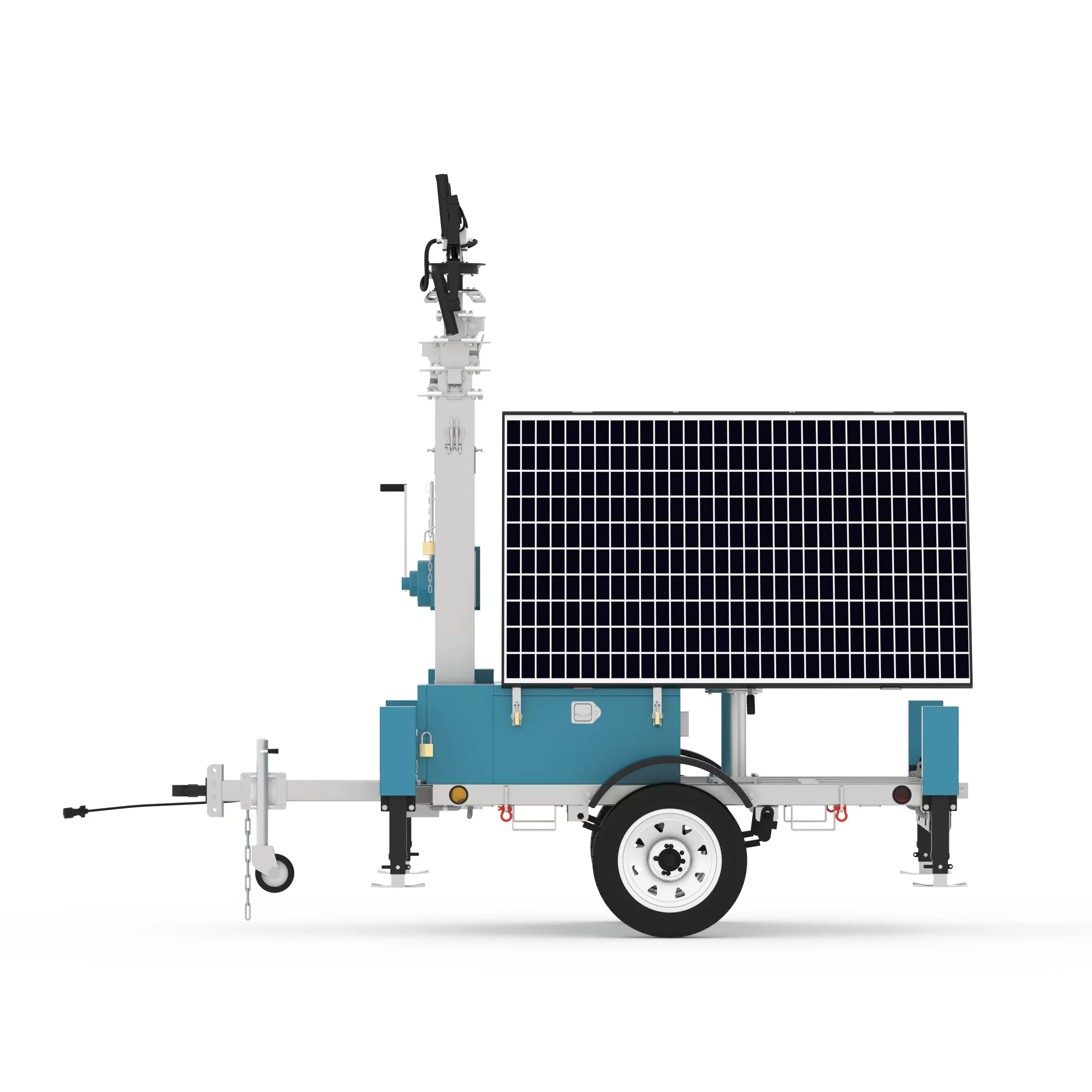
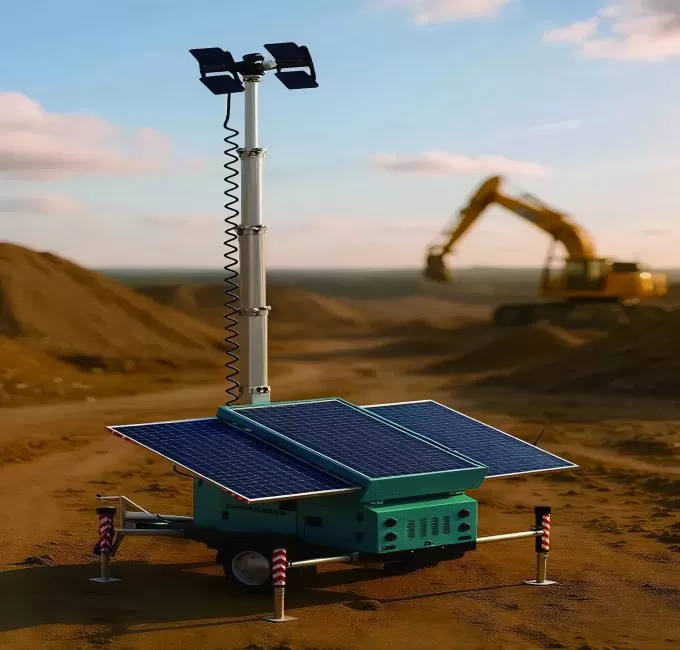
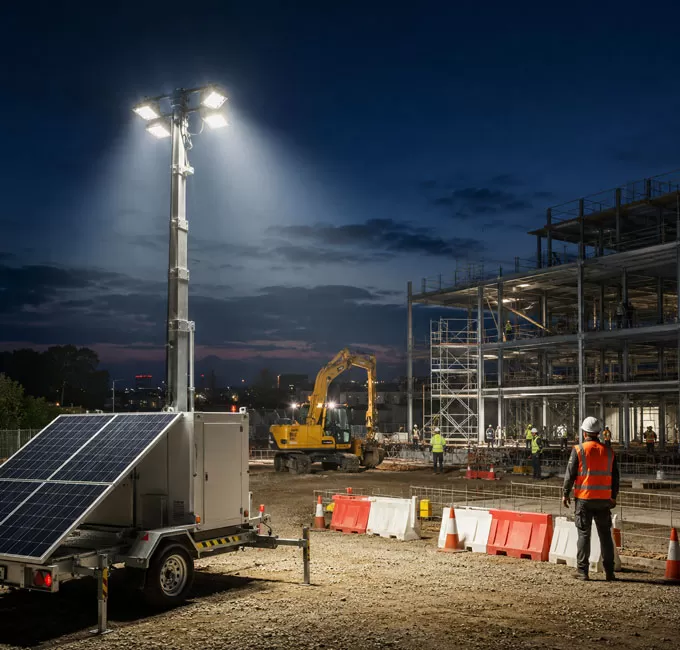
A Solar Light Tower is a portable lighting system powered by solar panels and battery storage for nighttime illumination in mining operations.
Compared with diesel lighting towers, solar models provide:
Lower fuel costs
Quiet operation
Reduced maintenance
Lower emissions
They are commonly deployed in:
Open-pit mining
Road construction
Temporary work zones
Emergency maintenance areas
A Solar Generator combines solar panels, inverters, and battery storage to deliver portable electricity for mining equipment and temporary infrastructure.
These systems can support:
Site offices
Communication systems
Tools and equipment
Worker accommodations
Modern hybrid solar generators can significantly reduce diesel runtime and fuel logistics.
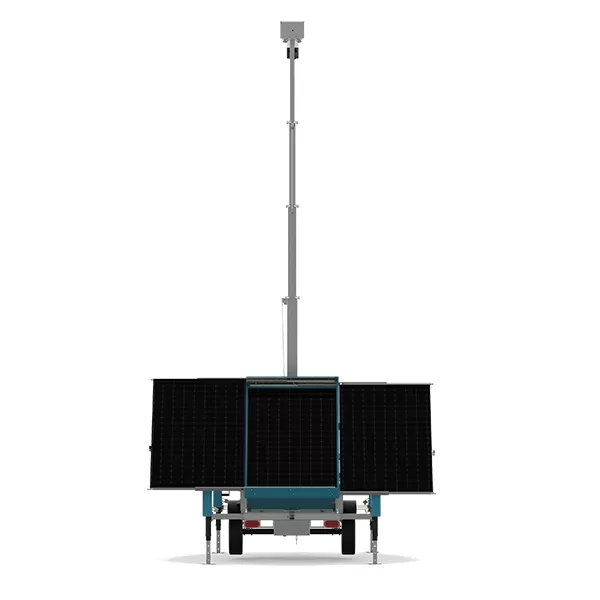
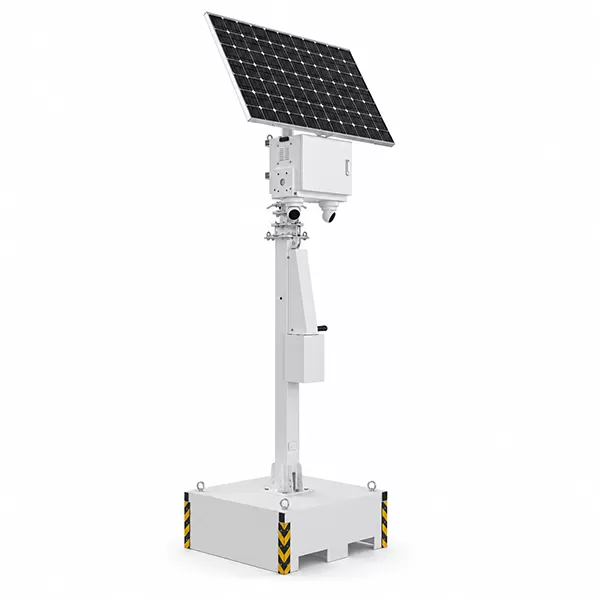
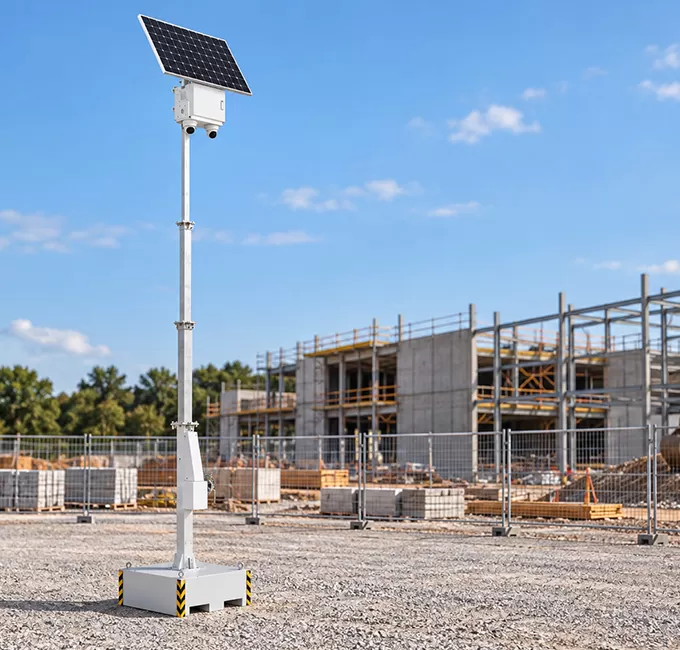
A Solar Surveillance Tower is a self-powered security and monitoring system equipped with cameras, communication equipment, and renewable energy storage.
Mining operators use them for:
Perimeter security
Asset protection
Remote monitoring
Worker safety
Because they operate independently from the electrical grid, they are ideal for isolated mining regions.
A Solar Skid is a modular solar power platform mounted on a skid frame for rapid deployment in industrial and mining applications.
Solar skids are widely used because they can be transported easily and installed without permanent infrastructure.
Typical applications include:
Remote pumping systems
Temporary power stations
Water treatment
Exploration camps
Solar power differs from diesel generation by providing renewable electricity with lower operating costs and reduced environmental impact. While diesel generators still play a role in heavy continuous-load mining applications, solar hybrid systems are increasingly preferred for auxiliary and temporary power needs.
| Feature | Solar Power Systems | Diesel Generators |
|---|---|---|
| Fuel Requirement | None | Continuous fuel supply |
| Operating Cost | Lower long-term | High due to diesel costs |
| Maintenance | Low | Frequent servicing |
| Noise Level | Very low | High |
| Carbon Emissions | Low | High |
| Scalability | Modular | Moderate |
| ESG Performance | Excellent | Limited |
| Remote Monitoring | Advanced IoT capable | Limited |
The National Renewable Energy Laboratory (NREL) reports that hybrid renewable systems can substantially lower fuel usage and improve energy resilience in remote industrial operations. For many mining operators, combining solar with battery storage creates a more stable and predictable energy strategy.
Mining companies benefit from solar power through reduced operational expenses, improved sustainability performance, and greater energy independence. One major advantage is fuel savings. Remote mining sites often require long-distance diesel transportation, increasing both cost and logistical complexity. Solar systems help stabilize energy expenses by reducing reliance on fuel deliveries.
Investors increasingly evaluate mining companies based on environmental performance.
Renewable energy systems help support:
Carbon reduction initiatives
Sustainability reporting
Community relations
Regulatory compliance
Portable renewable systems such as Solar Light Towers and Solar Skids can be deployed rapidly during:
Site expansion
Exploration projects
Temporary infrastructure upgrades
Emergency operations
Compared with traditional generators, solar systems operate quietly and require fewer moving parts, reducing servicing intervals and operational disruption.
Circular Egg supports mining companies with scalable renewable solutions designed specifically for harsh Australian operating conditions.
Choosing the right solar power system for mining depends on site energy demand, mobility requirements, operational duration, and environmental conditions. Before selecting a solution, mining operators should evaluate:
| Selection Factor | Importance |
|---|---|
| Daily Power Consumption | Determines solar and battery sizing |
| Deployment Duration | Influences permanent vs mobile systems |
| Site Accessibility | Affects transport and installation |
| Climate Conditions | Impacts solar production |
| Security Requirements | Determines surveillance integration |
| Scalability | Supports future expansion |
For example:
Exploration camps may prioritize mobile Solar Generators
Large industrial sites may require modular Solar Skids
Temporary work areas benefit from Solar Light Towers
Remote perimeter protection may require Solar Surveillance Towers
Battery technology is also critical. Lithium battery systems now offer longer cycle life, faster charging, and improved efficiency compared with older lead-acid systems.
Mining solar lighting is becoming an essential strategy for reducing fuel costs, improving sustainability, and increasing operational efficiency in remote mining environments. Technologies such as Solar Light Towers, Solar Generators, Solar Surveillance Towers, and Solar Skids provide flexible renewable energy solutions for modern mining operations.
As the mining industry continues prioritizing ESG performance and energy resilience, renewable power systems are expected to play an increasingly important role across exploration, production, infrastructure, and site security applications. CircularEgg continues supporting Australian industrial clients with scalable solar energy systems engineered for demanding off-grid environments and mining operations.
Some mining operations can operate partially or primarily on solar energy, especially when combined with battery storage and hybrid generator systems.
The biggest benefits include lower fuel costs, reduced emissions, quieter operation, and improved ESG performance.
Yes. Modern solar systems are specifically designed for remote off-grid environments and often include battery backup and hybrid integration.
Solar Skids provide modular and transportable renewable power for temporary or semi-permanent mining infrastructure.
Savings vary by project size and diesel usage, but hybrid systems can significantly reduce fuel consumption and maintenance expenses.
Yes. Battery storage systems provide backup power during low-sunlight conditions, and hybrid systems can integrate diesel support when needed.