
0573-84182266
+86-18661941877

The cost of a mobile surveillance tower in Australia depends on far more than the camera count. Mast height, solar and battery capacity, communications, analytics, installation, monitoring and project duration all change the final figure. A compact unit advertised for a small site is therefore not a like-for-like substitute for a higher-capacity tower engineered for continuous operation at a remote construction, mining or infrastructure project.
For an immediate benchmark, publicly listed Australian prices checked in September 2026 ranged from AUD $100 to $240 per week plus GST for selected 3 m CCTV trailer configurations, while one advertised solar-and-Starlink mobile security system was AUD $8,900 to purchase. These figures are market examples—not CircularEgg prices—and inclusions differ substantially. A defensible budget should compare equivalent camera coverage, mast height, energy storage, communications and service levels.
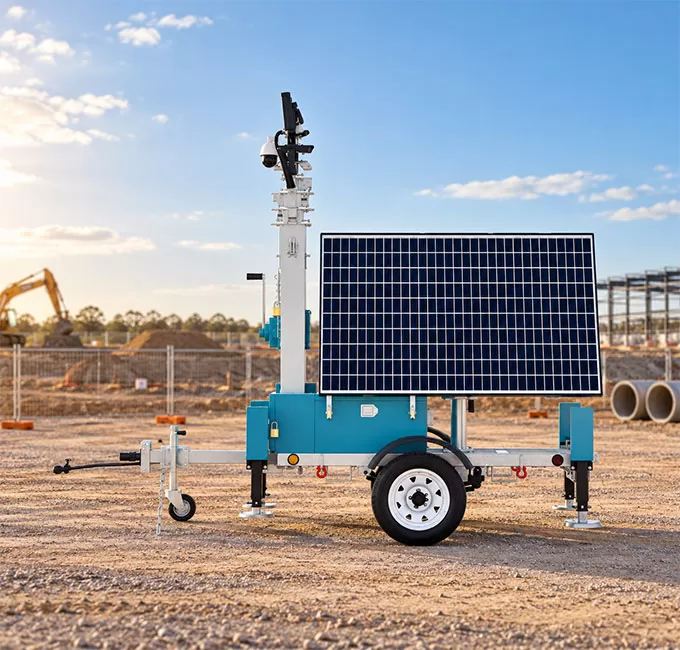
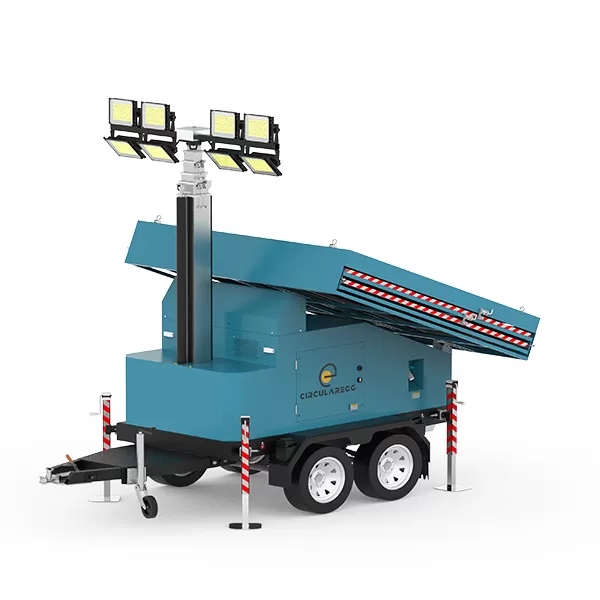
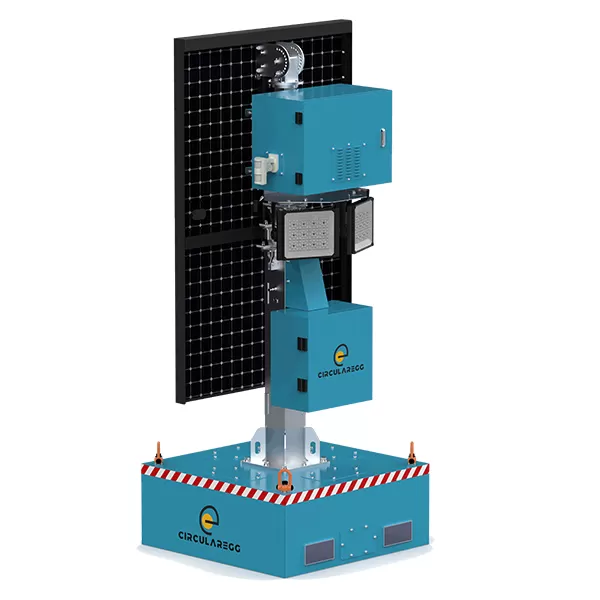
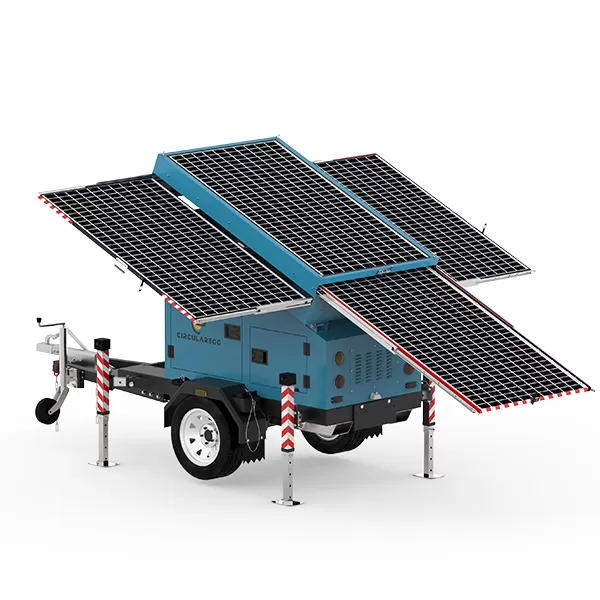
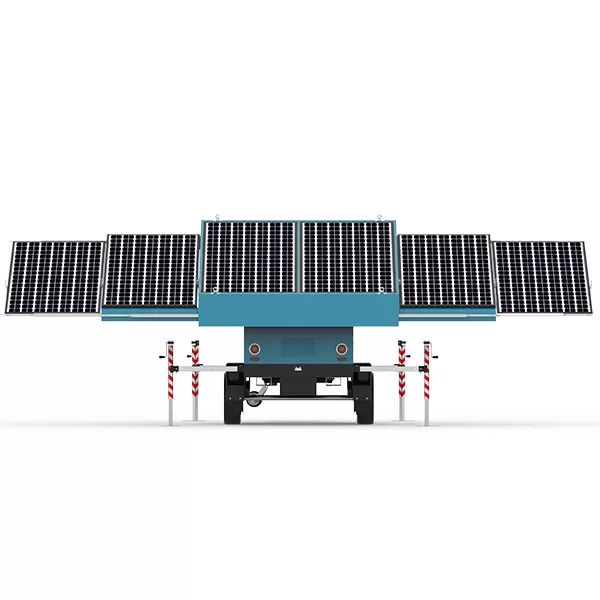
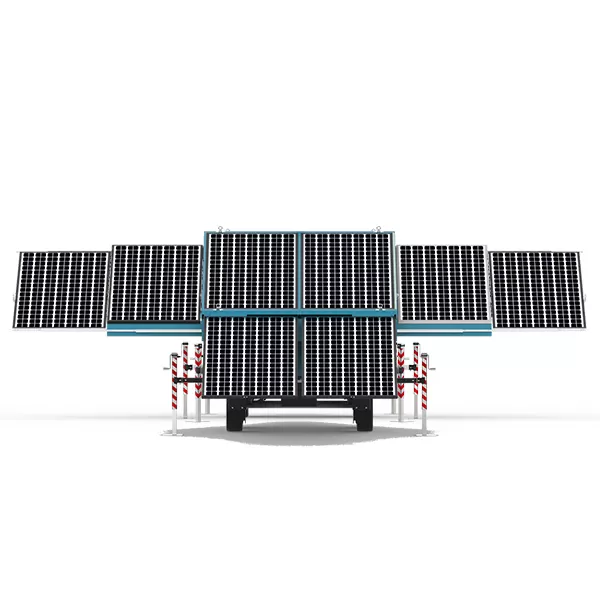
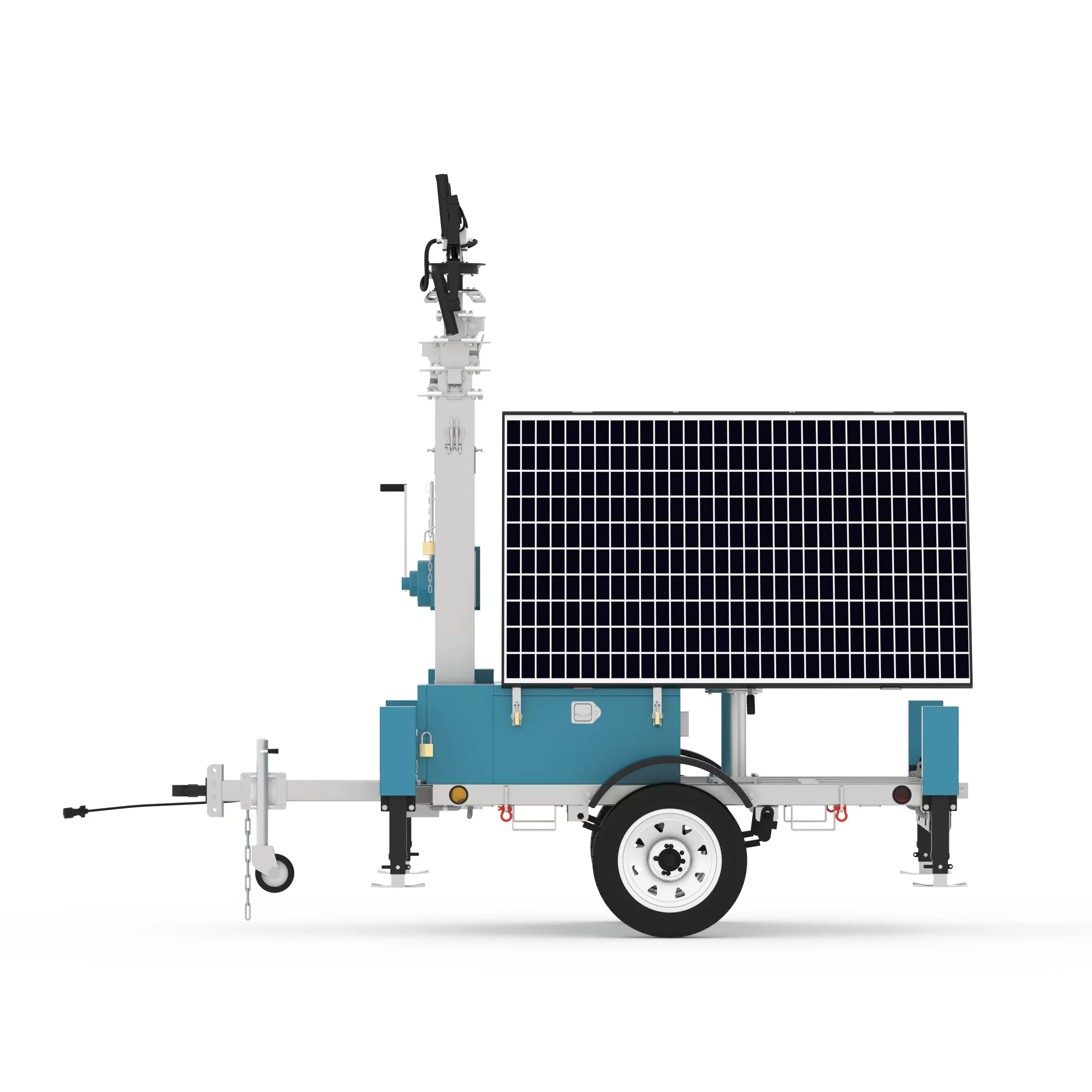
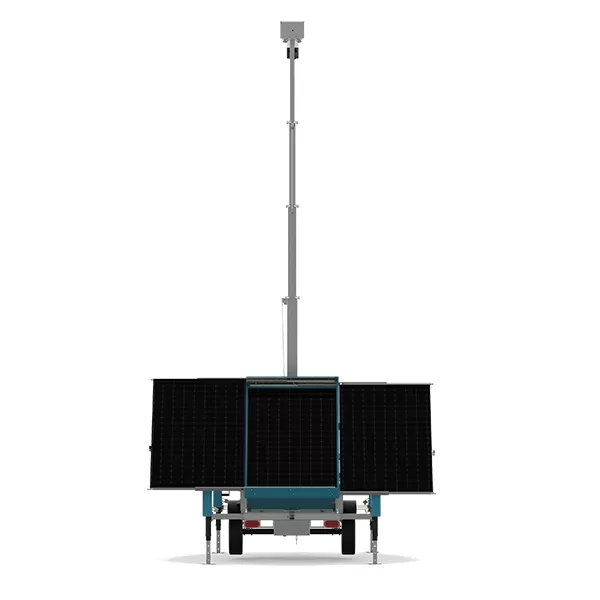
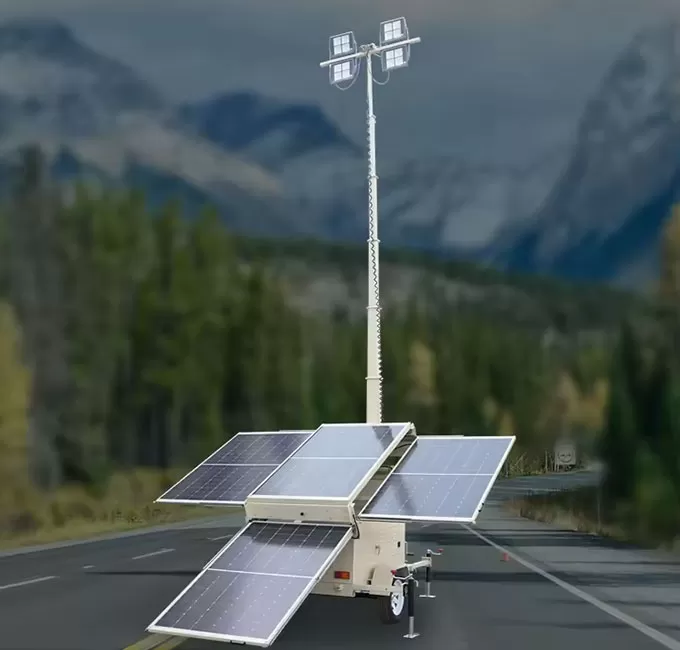
CircularEgg supplies off-grid surveillance solutions for temporary and remote sites. Its mobile solar surveillance tower includes the ST890, with 890 W of solar input, a 10.24 kWh battery and a mast up to 6 m, and the ST1305, with 1,305 W of solar input, the same 10.24 kWh battery capacity and a mast up to 7.5 m. These specifications help explain why a project-specific quotation is more meaningful than a single headline price.
Mobile surveillance tower cost is the combined price of acquiring or hiring the tower, deploying it, connecting it, operating it and supporting it for the required project period.
Public pricing provides a useful starting point. One Australian provider lists selected trailer hire packages at $100, $125, $155 and $240 per week plus GST, with configurations ranging from one 8 MP camera to four 180-degree 8 MP cameras. The same provider states that delivery, deployment and minimum hire terms apply; its published CCTV trailer hire rates should therefore be treated as base rates rather than complete installed costs.
At those advertised weekly rates, 52 weeks of base hire would equal $5,200 to $12,480 plus GST, before delivery, setup, connectivity, monitoring or other services. This multiplication is useful for early budgeting, but it does not establish a buy-versus-hire break-even point because the listed packages may have different power systems, cameras, mast heights and support inclusions.
Purchase prices also vary widely. For example, an Australian supplier advertises a solar Starlink CCTV mobile security system at AUD $8,900. That example includes dual PTZ cameras, dual solar panels and a mobile concrete base, but it should not be compared directly with a larger-capacity trailer tower without normalising the specification.
For planning purposes, think in three cost layers: the tower and surveillance hardware; deployment items such as freight, setup and commissioning; and recurring services such as data, cloud recording, monitoring and maintenance. Ask every supplier whether GST, delivery, retrieval, relocation, damage waivers, call-outs and minimum terms are included. This prevents an attractive base price from becoming a poor total-cost decision.
Mobile surveillance tower cost factors are the technical, logistical and service requirements that determine the system configuration and its whole-of-project expense.
Camera selection is a major driver. A fixed camera can watch a defined access point, while a PTZ camera provides remote pan, tilt and zoom across a wider area. Thermal imaging, licence plate recognition, infrared illumination, speakers, sirens and AI analytics add capability but may also increase hardware, power, data and software costs. The correct question is not “How many cameras are included?” but “Can the specified cameras identify the required event at the required distance, day and night?”
Power capacity matters just as much. A surveillance payload averaging 120 W consumes 2.88 kWh per day because 0.12 kW × 24 hours = 2.88 kWh. Dividing a 10.24 kWh nominal battery by that load gives approximately 3.56 days of theoretical storage with no solar input. Real usable autonomy will be lower after accounting for reserve limits, conversion losses, temperature, battery management settings, camera movement and communications equipment. Solar yield also changes with location, season, panel orientation, shade and soiling, so wattage alone does not prove year-round availability.
Mast height influences the field of view, mechanical design, transport envelope and site setup. A taller mast can improve coverage and reduce blind spots, but the tower must still suit wind conditions, terrain, exclusion zones and safe deployment procedures. Similarly, a 4G connection may be cost-effective where coverage is reliable, while remote sites may require satellite connectivity, external antennas or another backhaul design.
The operating budget should include the SIM or satellite plan, video-management or analytics licences, cloud storage, alarm verification, control-room monitoring, maintenance, panel cleaning, battery inspections, relocation and repairs. Retention settings matter: continuous high-resolution recording generally requires more storage and data than motion-triggered clips.
Privacy governance can also create legitimate project costs, including signage, access controls, retention rules and secure deletion. The Australian Information Commissioner explains that covered organisations must comply with relevant privacy requirements when camera footage contains personal information; see the OAIC guidance on security cameras and privacy. State and territory surveillance laws may also apply.
Finally, evaluate the cost of failure. A low-cost tower that loses power, communications or recording during an incident may be more expensive than a properly sized system. For remote or high-risk sites, request documented assumptions for energy autonomy, communications coverage, event response, maintenance intervals and fault escalation.
Purchasing converts the tower into a long-term asset, while hiring converts access, support and flexibility into a recurring project expense.
The lower-cost option depends mainly on utilisation. Hire often suits a defined project, an urgent mobilisation, changing site layouts or a requirement to scale the fleet up and down. Purchase can be more economical when the equipment will be used frequently across multiple sites, the specification is stable and the owner can manage storage, maintenance, transport and technology refreshes.
| Decision factor | Purchase | Hire |
|---|---|---|
| Upfront cash requirement | Higher capital outlay, plus delivery and commissioning | Lower initial outlay; usually weekly or monthly charges |
| Best fit | Repeated, long-term use across a predictable fleet | Short-term, seasonal, trial or rapidly changing projects |
| Maintenance responsibility | Usually rests with the owner after warranty, subject to the service agreement | May be partly included; exclusions and response times must be checked |
| Configuration control | Greater ability to standardise or customise the owned asset | Limited to available rental fleet and approved modifications |
| Mobilisation and relocation | Owner arranges freight, setup and storage | Often available as charged services from the hire provider |
| Technology and residual-value risk | Owner carries obsolescence and resale risk | Provider generally carries asset and refresh risk |
| Budget profile | Depreciating asset plus recurring operating costs | Predictable recurring expense, subject to minimum terms and extras |
| Availability | Asset is controlled once owned and operational | Depends on fleet availability for the required dates |
Use equivalent specifications when calculating break-even. A practical ownership model is:
Annualised ownership cost = (purchase price + freight + setup + accessories + finance cost − expected resale value) ÷ useful years + annual operating cost.
Compare that with:
Total hire cost = weekly rate × hire weeks + delivery + setup + relocations + connectivity + monitoring + chargeable service items.
Do not compare a purchase quote for a 7.5 m, 1,305 W tower with a weekly rate for a compact 3 m unit and call the result a break-even calculation. First align mast height, camera performance, solar input, battery capacity, recording, connectivity, monitoring, warranty and response obligations.
CircularEgg can support either project planning path. Businesses with temporary requirements can review temporary solar equipment hire options, while asset owners can specify a surveillance tower around their recurring operational needs. For the most useful quote, provide the site location and delivery postcode, deployment dates, number of towers, monitored area, required camera functions, connectivity conditions, recording period and expected surveillance load.
The best-value mobile surveillance tower is the system that delivers the required coverage and uptime at the lowest whole-of-project cost—not simply the lowest advertised purchase price or weekly rate.
Public Australian listings show that compact hire packages can begin around $100 per week plus GST and that an advertised mobile solar security system can cost $8,900 to purchase, but these figures describe different products and inclusions. Larger off-grid towers with higher masts, substantial batteries, greater solar capacity, multiple cameras and managed services require a tailored comparison.
Build the decision around total cost of ownership, utilisation, site risk and accountable performance. CircularEgg’s ST890 and ST1305 provide clearly defined solar, battery and mast specifications for off-grid surveillance planning. To compare purchase, deployment and operating costs for your actual site, request a project-specific quotation with your camera, connectivity, autonomy and project-duration requirements.
One Australian provider publicly lists selected 3 m CCTV trailer packages from $100 to $240 per week plus GST, checked in September 2026. Delivery, deployment, minimum hire periods, data and monitoring can increase the total. Obtain a written quote for an equivalent camera, power and service specification.
There is no universal purchase price. One Australian mobile solar-and-Starlink security system is publicly advertised at $8,900, while larger towers with taller masts, bigger batteries, higher solar input, thermal cameras, analytics or monitoring may cost more. The purchase quote should itemise freight, commissioning, accessories, software and warranty coverage.
Hire is often more economical for short, uncertain or rapidly changing projects; purchase can be better for high, repeat utilisation. Compare annualised ownership cost with the complete hire cost using the same technical specification and service level. Also allow for storage, maintenance, relocation, technology refresh and residual value.
Typical operating costs include cellular or satellite data, cloud storage, video-management or AI licences, professional monitoring, maintenance, panel cleaning, battery inspections, transport, relocations, repairs and insurance. Privacy signage, secure access and retention management may also need budget allocation.
Solar generation can remove the need for grid electricity or routine generator fuel, but it does not make operation cost-free. The system must be sized for the actual electrical load and local solar conditions, and batteries, panels, controllers and communications equipment still require inspection and maintenance.
Provide the site address, project dates, quantity, monitored area, risk profile, camera types, night-vision or thermal requirements, preferred mast height, recording retention, monitoring response, available mobile coverage and expected average electrical load. These details allow the supplier to size the solar array, battery, communications and service package instead of pricing an unsuitable generic tower.