0573-84182266
+86-18661941877

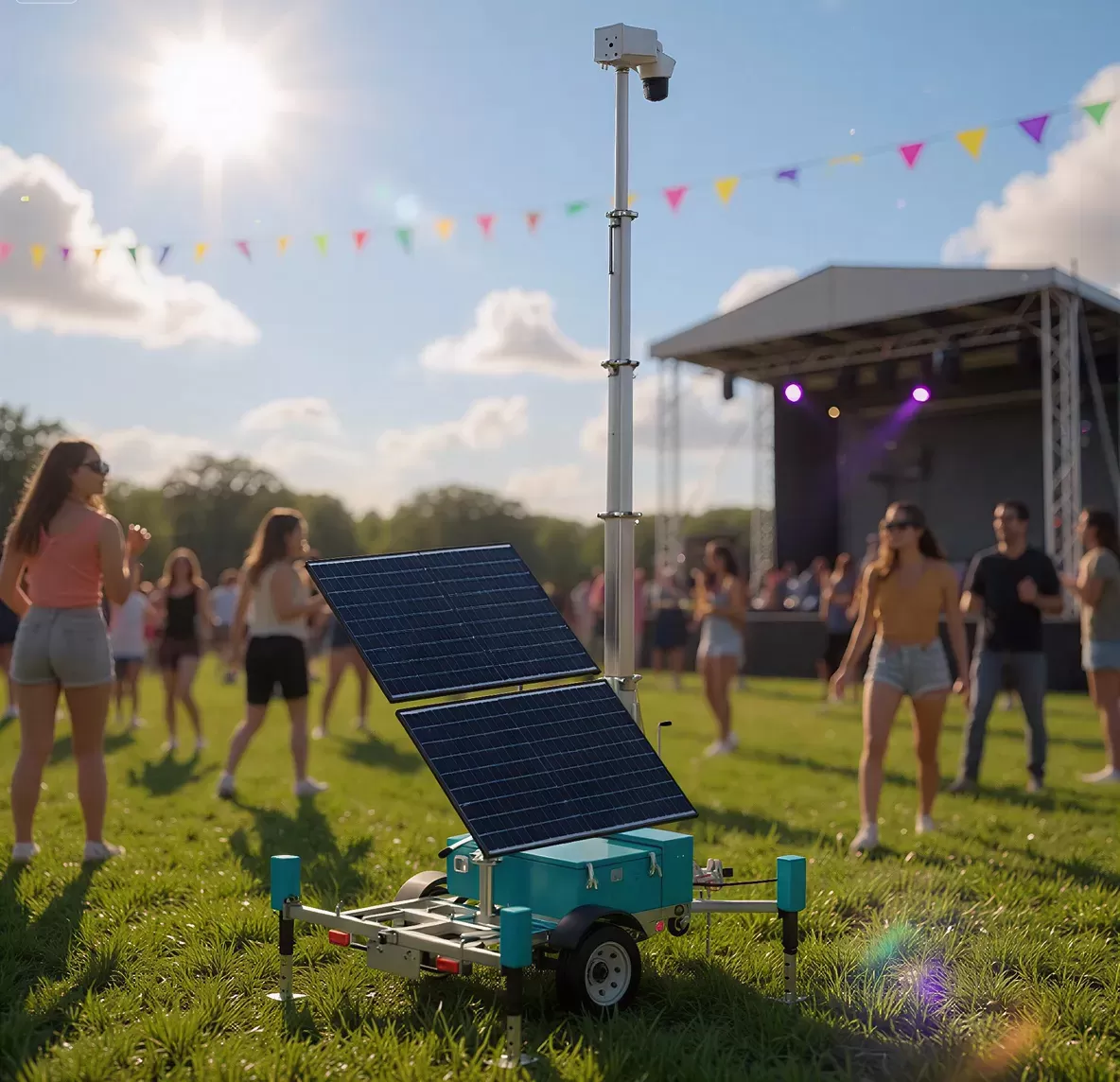
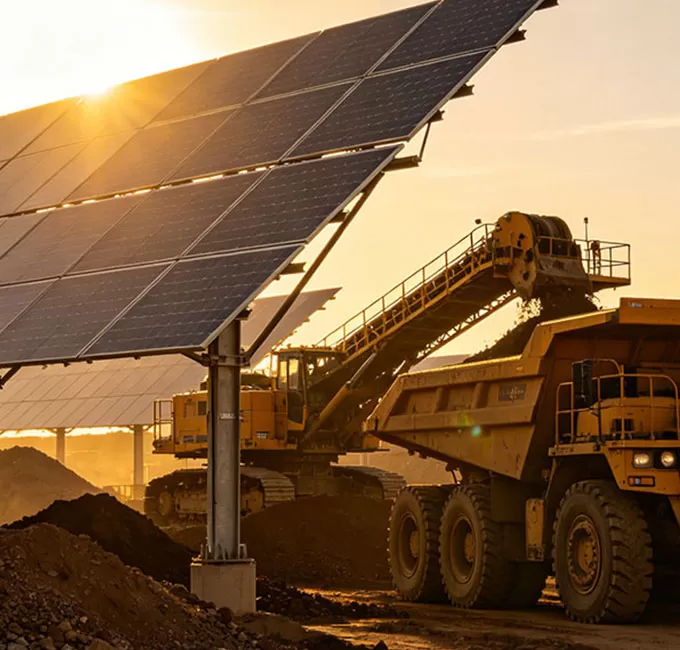
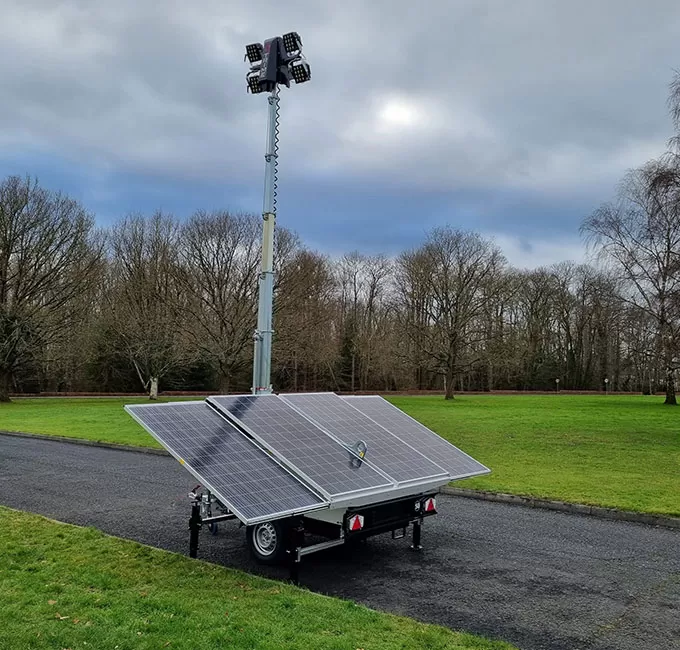
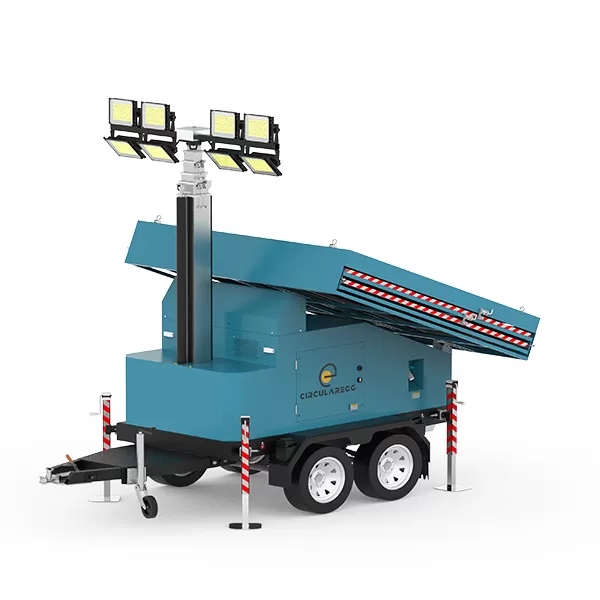
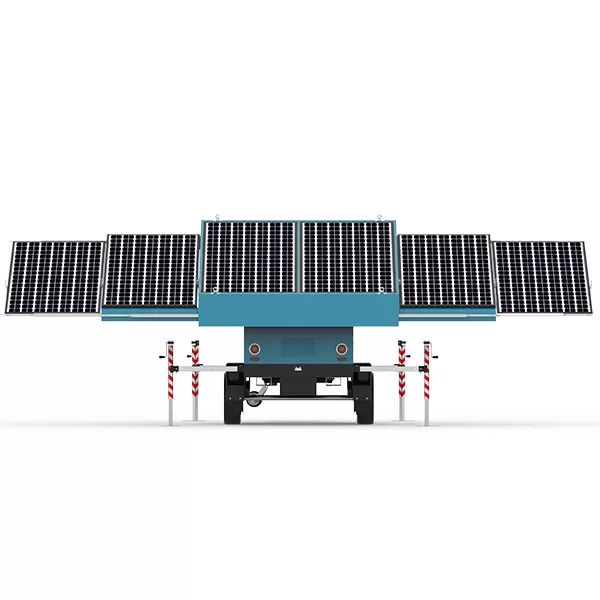
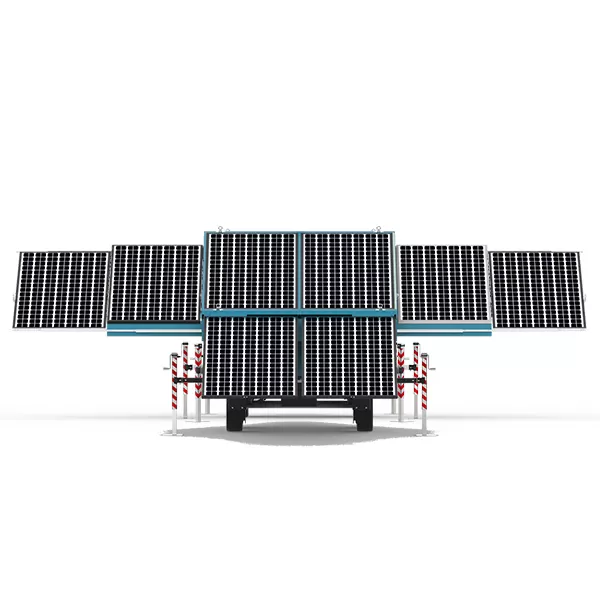
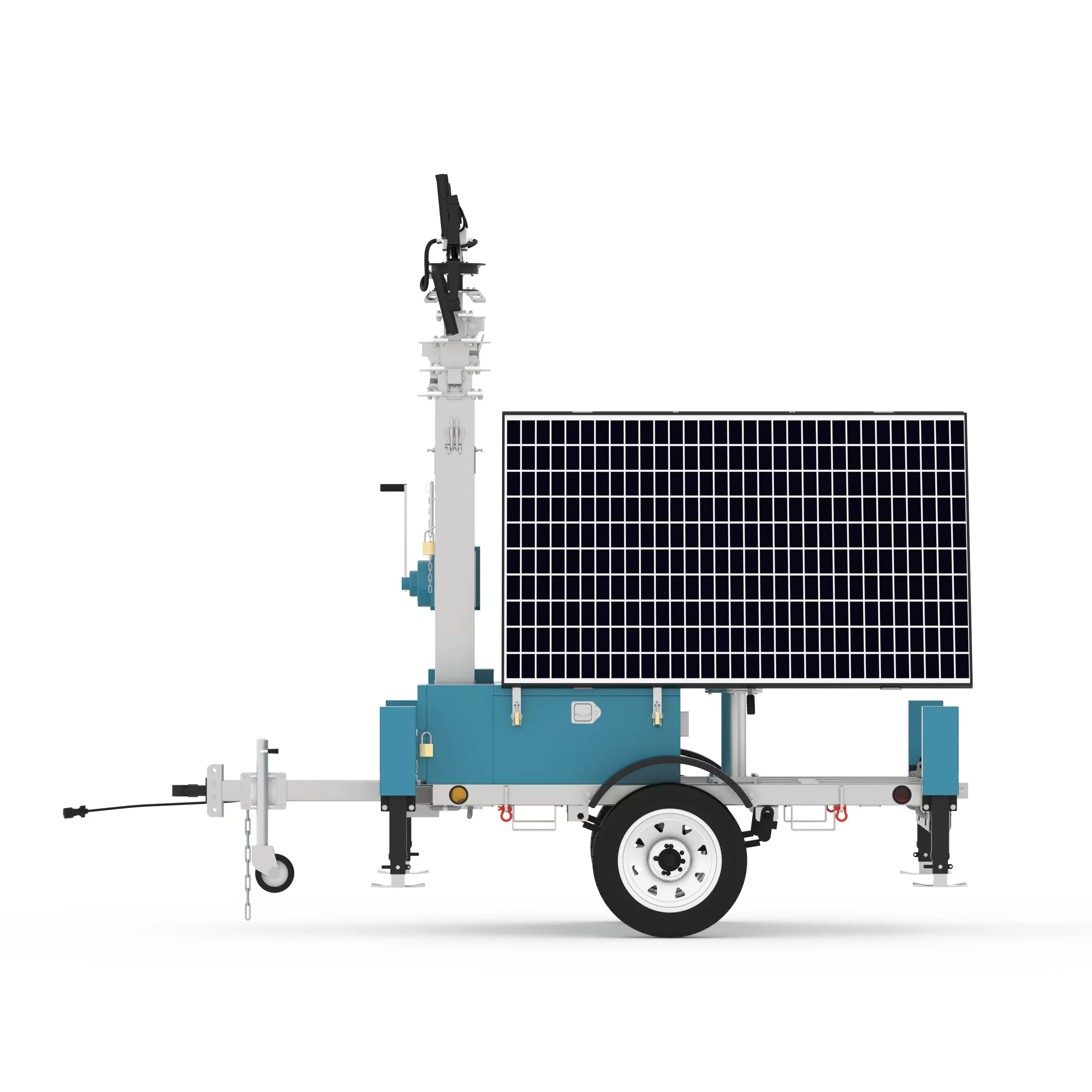
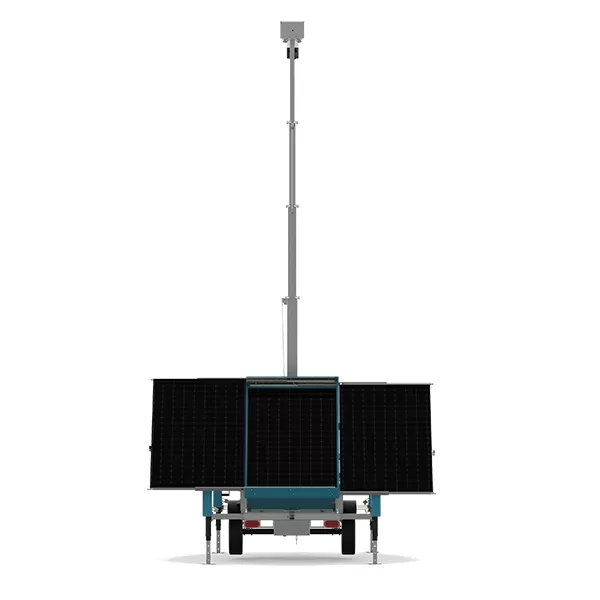
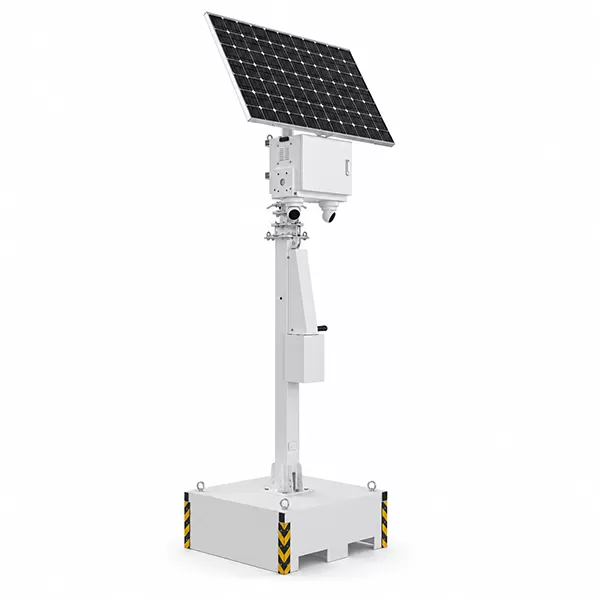
When selecting outdoor lighting equipment, one of the most common questions is how much area can a solar LED light tower illuminate. The answer depends on several factors, including LED power, lumen output, tower height, beam angle, battery capacity, and site requirements.
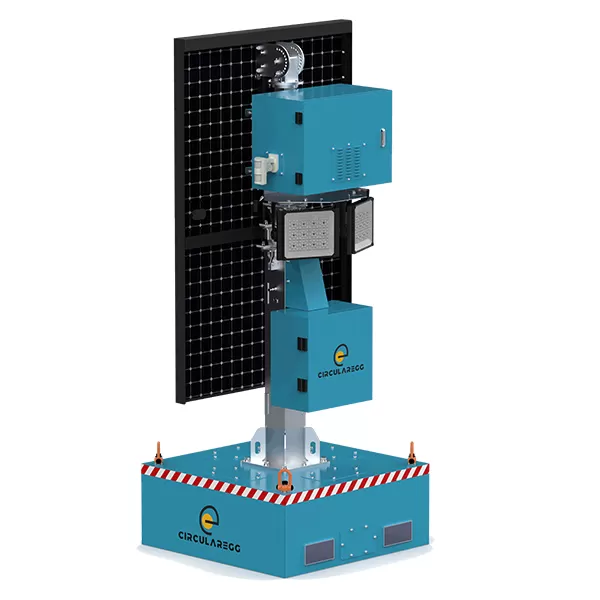
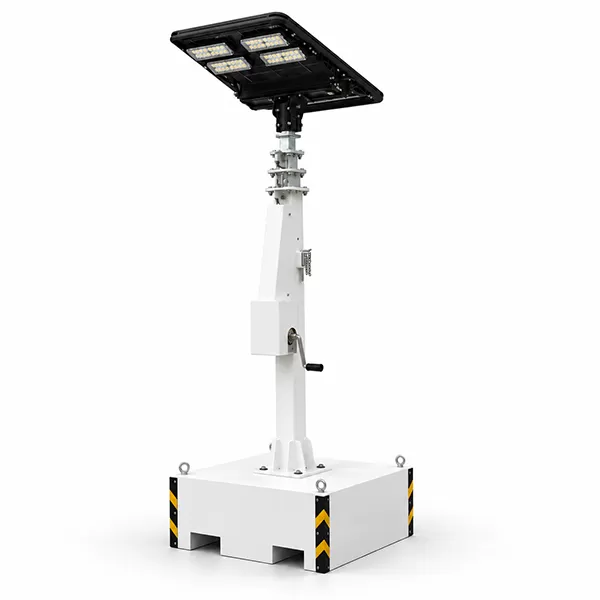
A properly configured solar LED light tower can typically illuminate areas ranging from small construction zones to large industrial worksites. Unlike diesel-powered lighting equipment, solar lighting towers provide clean, quiet, and fuel-free illumination, making them suitable for construction, mining, infrastructure projects, emergency response, and remote operations.
Circular Egg provides renewable energy solutions for commercial and industrial applications, including solar light tower solutions designed for flexible outdoor lighting requirements.
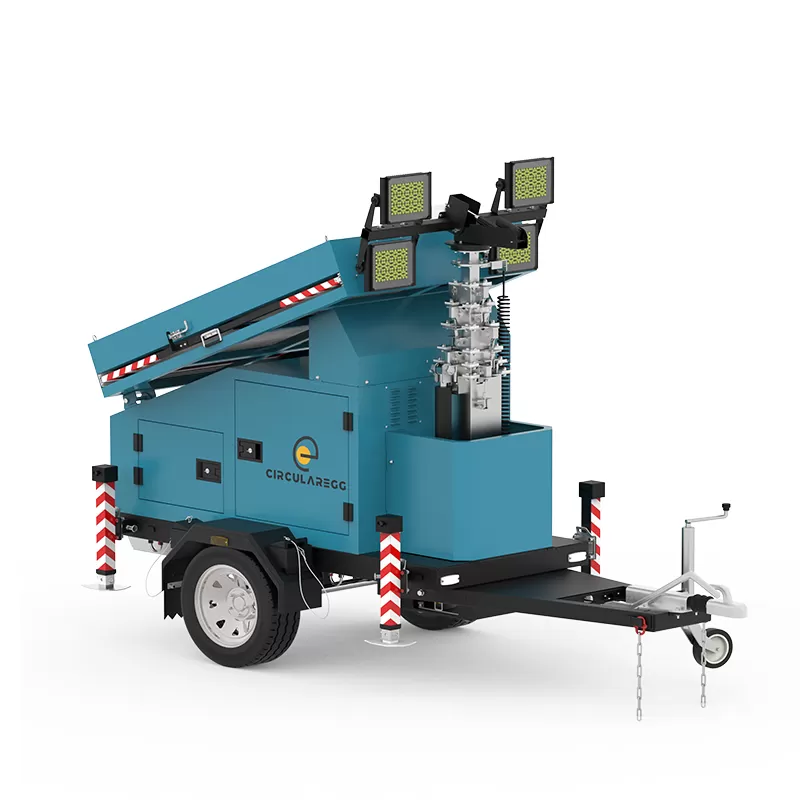
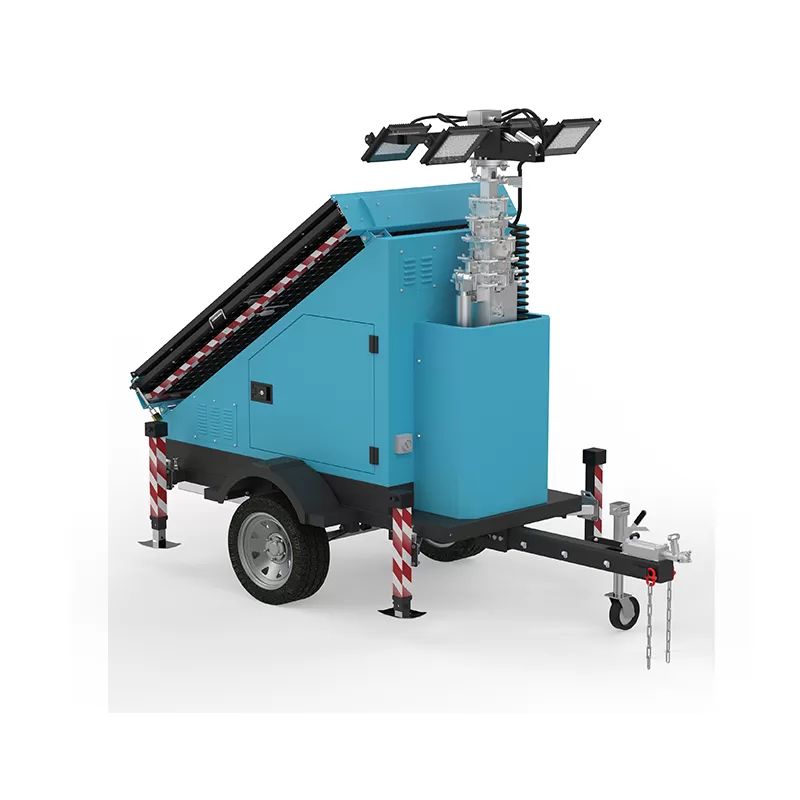
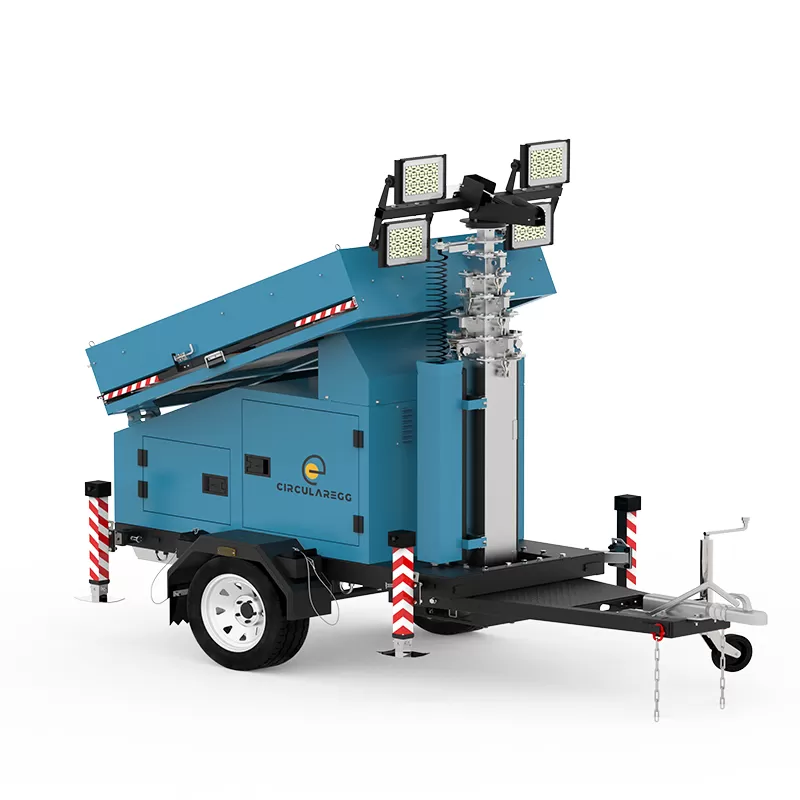
A solar LED light tower can typically illuminate between 2,000 and 10,000 square meters depending on lighting power, installation height, and environmental conditions.
The actual coverage area of a solar light tower is not determined by wattage alone. It depends on the total lumen output, LED efficiency, light distribution design, and the required brightness level of the application.
For example:
| Solar LED Light Tower Type | Typical Lighting Coverage | Suitable Applications |
|---|---|---|
| Compact solar light tower | 2,000–4,000 m² | Small construction sites, events |
| Medium solar lighting tower | 4,000–7,000 m² | Commercial projects, road works |
| High-output solar LED tower | 7,000–10,000+ m² | Mining sites, large infrastructure projects |
According to the U.S. Department of Energy Solar Energy Technologies Office, improvements in solar technologies and energy efficiency continue to support wider adoption of renewable-powered equipment.
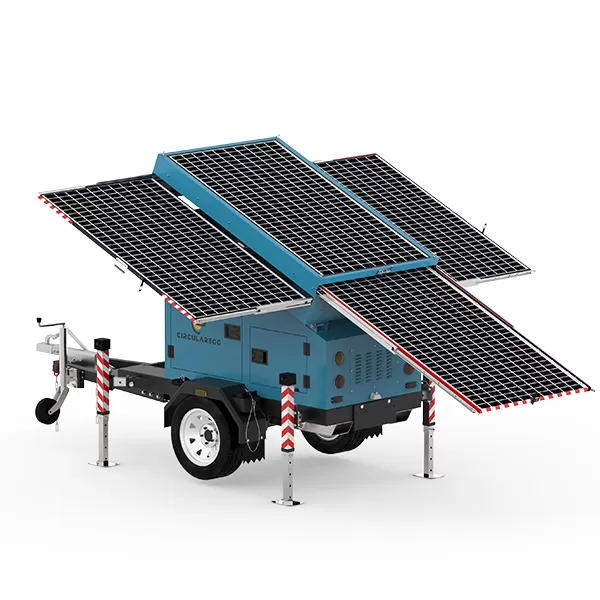
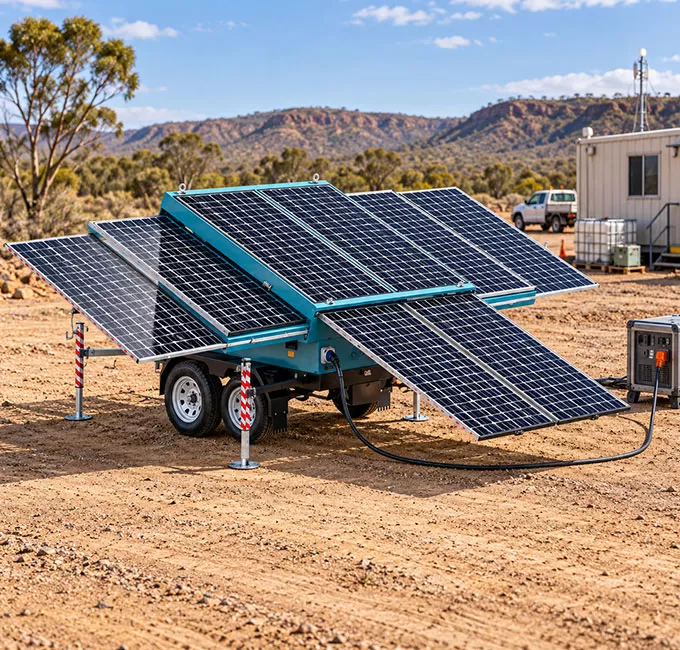
For businesses requiring larger off-grid power capabilities, Circular Egg also provides solar generator solutions that can support various outdoor energy applications.
The illumination area of a solar light tower depends on LED output, tower height, battery capacity, light distribution, and the operating environment.
The most important factors include:
LED Power and Lumen Output
Higher lumen output generally provides wider and brighter illumination. A high-performance LED system can cover larger areas while maintaining sufficient brightness.
Tower Height
A taller lighting mast allows light to spread across a wider area. However, excessive height without sufficient LED power may reduce ground-level brightness.
Battery and Solar Capacity
Solar light towers need enough stored energy to operate throughout the night. Battery capacity and solar charging performance directly affect reliability.
Lighting Requirements
Different applications require different brightness levels. Construction areas, mining operations, and emergency sites may require stronger illumination compared with temporary event lighting.
The International Energy Agency (IEA) highlights the continued expansion of solar photovoltaic technologies worldwide, supporting broader adoption of solar-powered equipment.
Solar LED light towers provide a cleaner and more flexible alternative to traditional diesel lighting towers, especially for remote and long-term outdoor applications.
| Feature | Solar LED Light Tower | Diesel Light Tower |
|---|---|---|
| Energy Source | Solar energy and battery storage | Diesel fuel |
| Operating Cost | Lower long-term cost | Continuous fuel expenses |
| Noise Level | Quiet operation | Engine noise |
| Emissions | Zero operational emissions | Carbon emissions |
| Maintenance | Minimal maintenance | Engine servicing required |
| Remote Deployment | Excellent | Requires fuel logistics |
For projects requiring frequent relocation, a mobile renewable energy system can improve flexibility and reduce operating challenges. Circular Egg supports mobile applications through customized solar power systems for temporary and off-grid environments.
The transition toward cleaner energy solutions is also accelerating globally. The International Renewable Energy Agency (IRENA) reports continued growth in renewable energy deployment as industries move toward lower-carbon technologies.
Choosing the right solar LED light tower requires matching lighting coverage, operating conditions, and energy requirements with the specific project environment.
Before selecting a system, businesses should evaluate:
Required illuminated area
Desired brightness level
Daily operating hours
Weather conditions and solar availability
Mobility requirements
For example, a small construction project may only require a compact solar lighting tower, while mining operations or large infrastructure projects may need high-output systems with larger battery storage.
Circular Egg helps customers select suitable renewable energy solutions based on application requirements, including remote worksites, commercial projects, and industrial operations.
The answer to how much area can a solar LED light tower illuminate depends on system design, LED power, tower height, and project requirements. In general, solar LED light towers can illuminate approximately 2,000 to 10,000+ square meters, making them suitable for a wide range of outdoor applications. Compared with traditional diesel lighting equipment, solar lighting towers provide lower operating costs, quieter performance, and cleaner energy operation. For construction, mining, infrastructure, and emergency applications, selecting the right solar LED light tower configuration can significantly improve efficiency and reliability.
Circular Egg provides customized solar-powered solutions that help businesses achieve dependable off-grid lighting and energy performance.
A solar LED light tower can typically illuminate around 2,000 to 10,000 square meters, depending on LED output, tower height, and lighting requirements.
The required power depends on the site size and brightness requirements. Small projects may use lower-power LED systems, while large construction sites require higher-output lighting towers.
Yes. High-output solar lighting towers can provide sufficient illumination for mining sites, remote operations, and large outdoor areas when properly configured.
Operating time depends on battery capacity, solar charging conditions, and LED power consumption. Many systems are designed for overnight operation.
Coverage is affected by LED lumen output, mast height, beam angle, battery capacity, and the required lighting standard of the application.
Yes. Circular Egg provides solar-powered energy solutions for industrial and commercial applications, including mobile solar systems and solar LED light tower solutions.
International Energy Agency (IEA)
https://www.iea.org/
U.S. Department of Energy – Solar Energy Technologies Office
https://www.energy.gov/eere/solar
International Renewable Energy Agency (IRENA)
https://www.irena.org/