
0573-84182266
+86-18661941877


To size a mobile solar generator trailer, calculate four values: daily energy consumption in kilowatt-hours, maximum simultaneous demand in kilowatts, required battery autonomy, and the solar energy available during the project’s least productive period. The selected trailer must satisfy all four conditions. Matching only the battery capacity or panel wattage can leave an off-grid site without enough energy, inverter power or recovery capacity.
The core sizing sequence is straightforward: audit every load, convert watts and operating hours into daily kilowatt-hours, calculate the highest concurrent load and motor-starting demand, set an autonomy target, and then adjust the solar array for location, season and system losses. The final design should also account for transport, deployment space, temperature, dust, shading and any backup charging source.
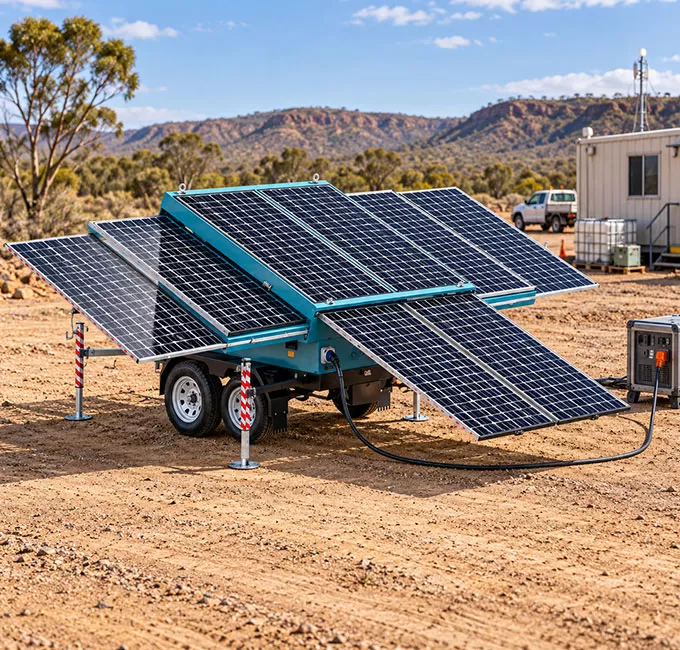
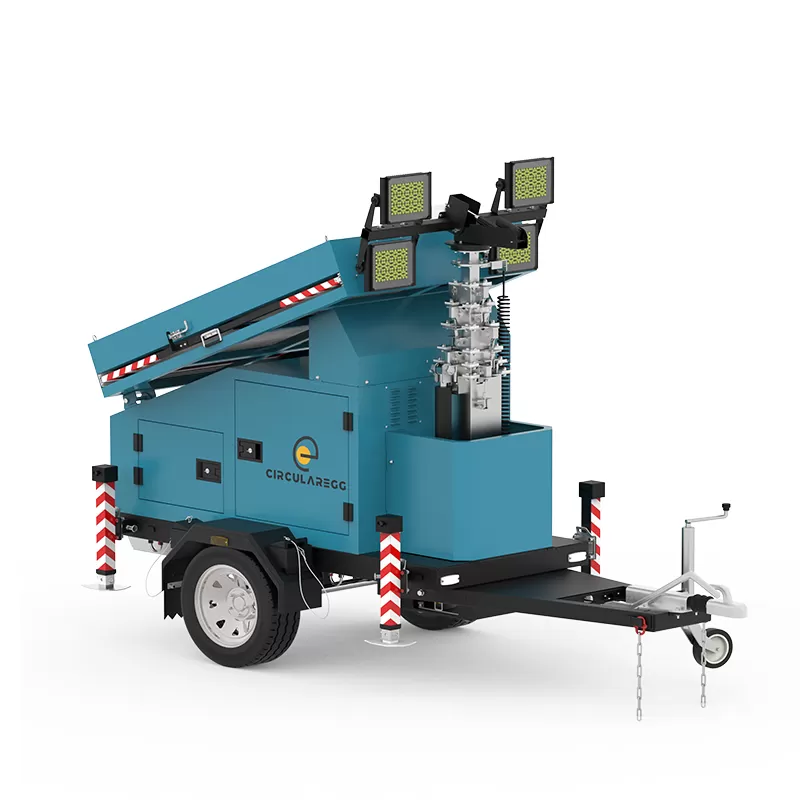
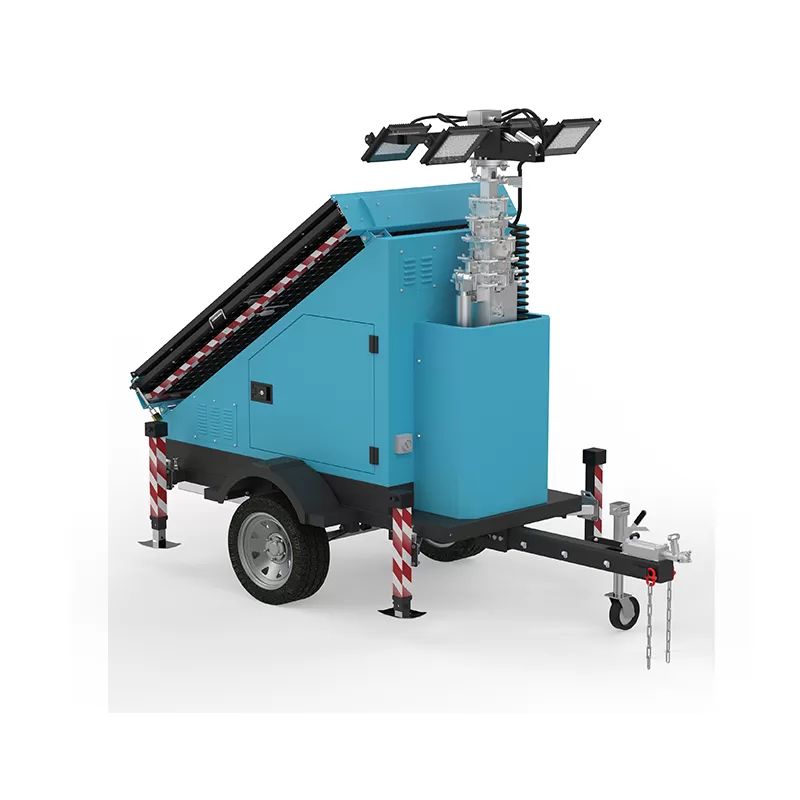
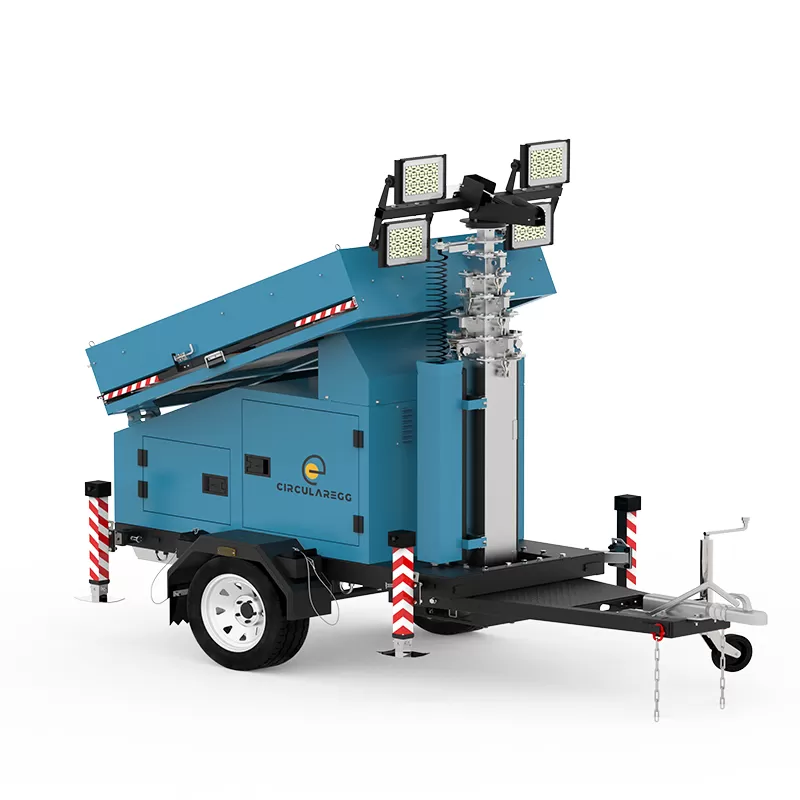
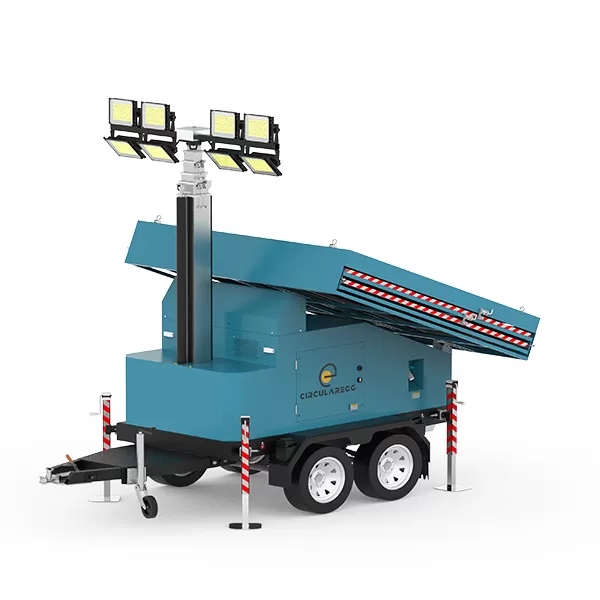
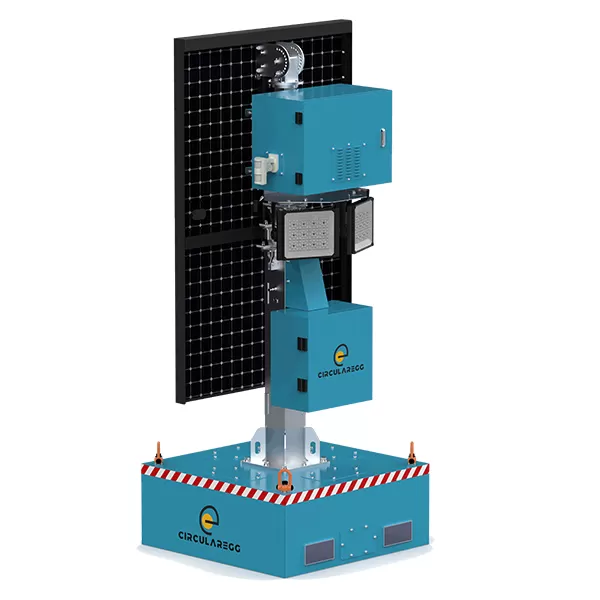
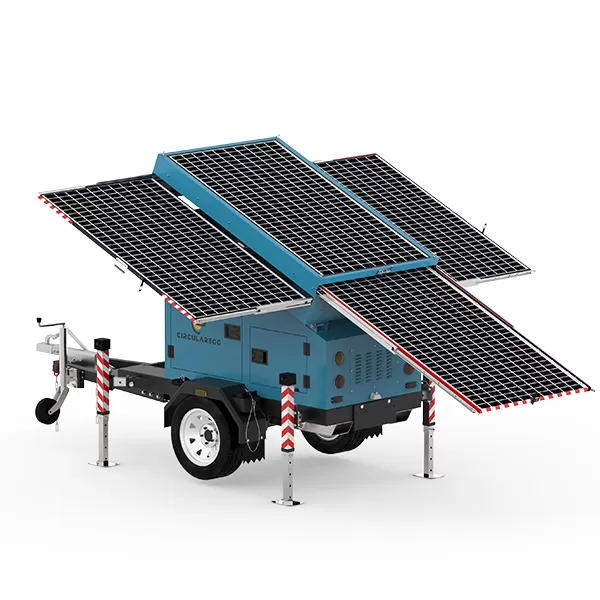
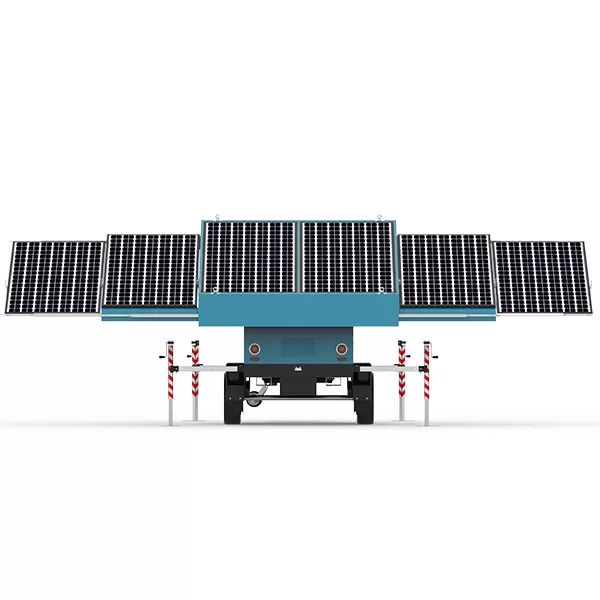
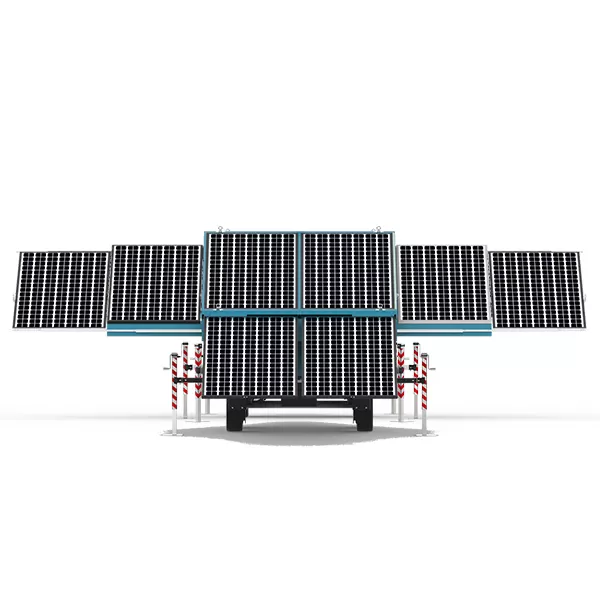
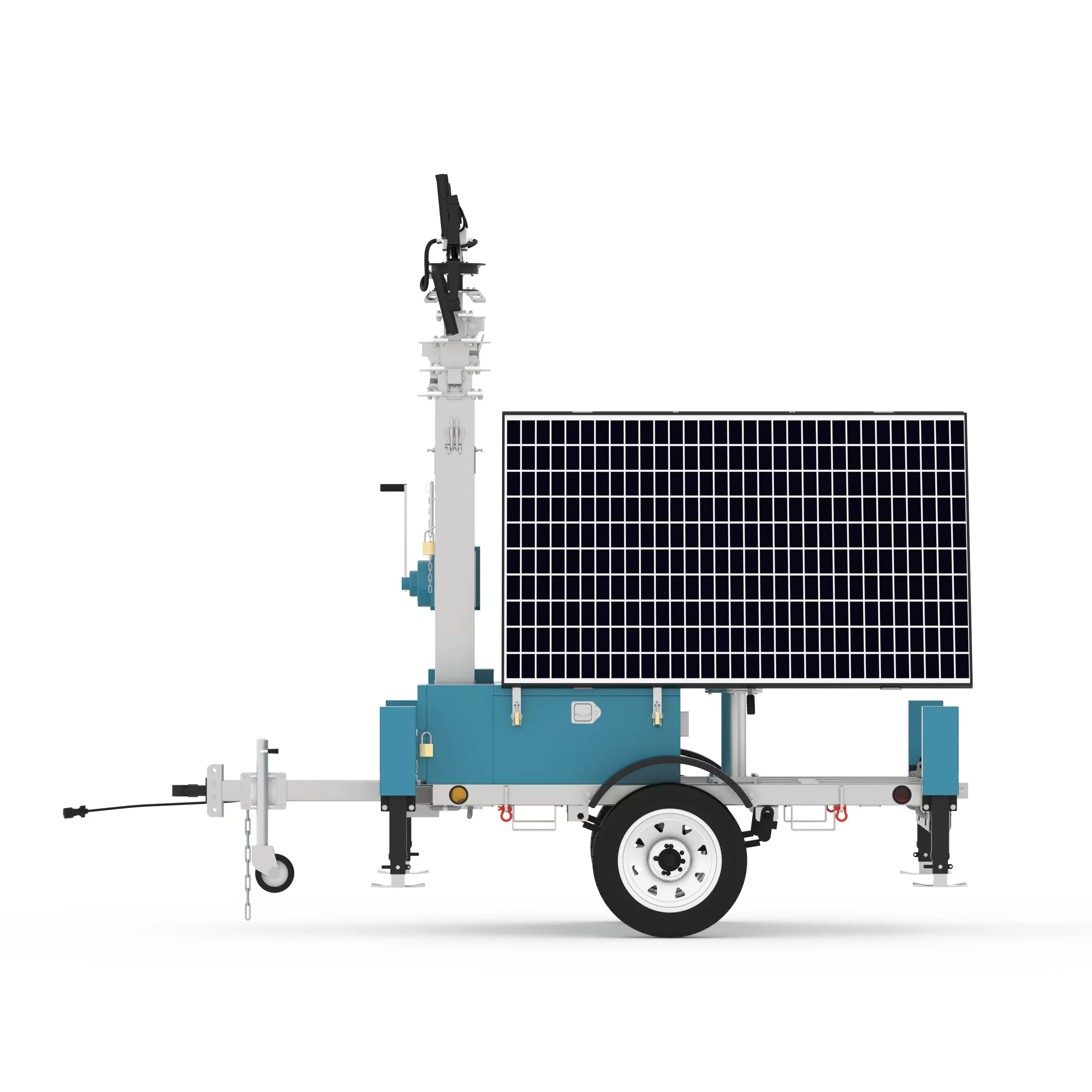
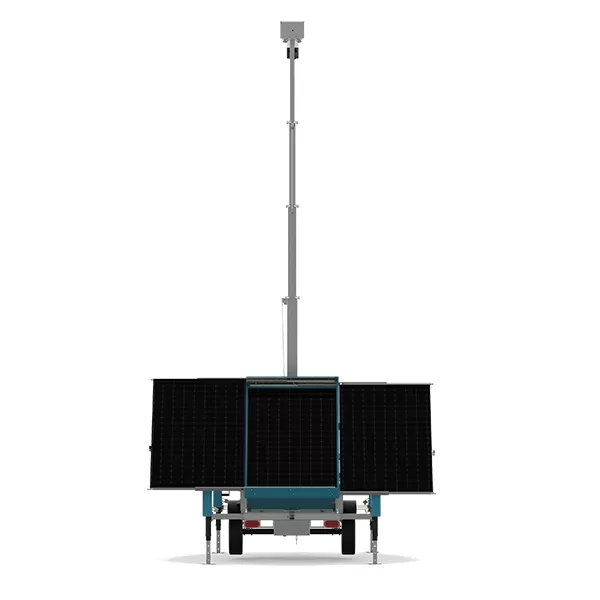
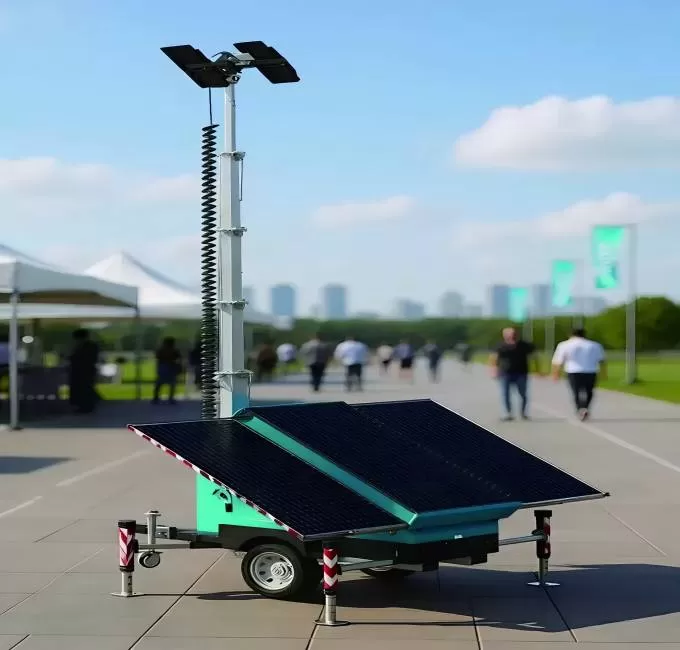
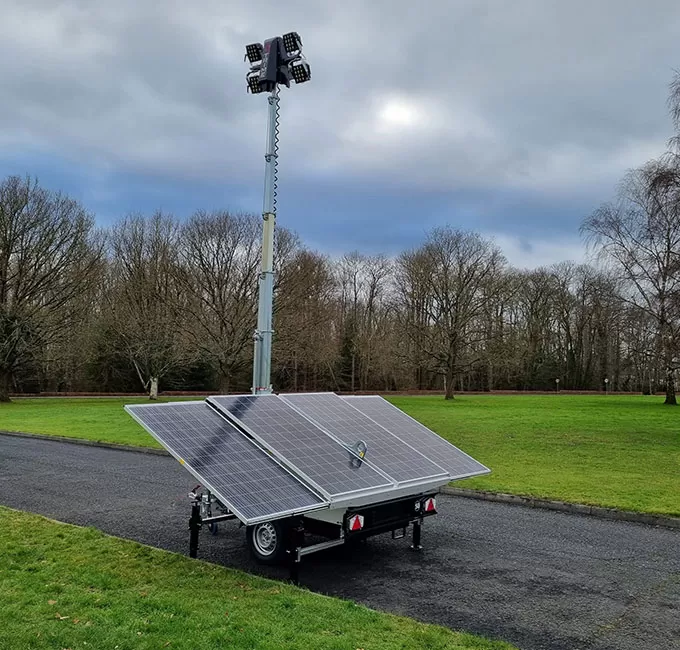
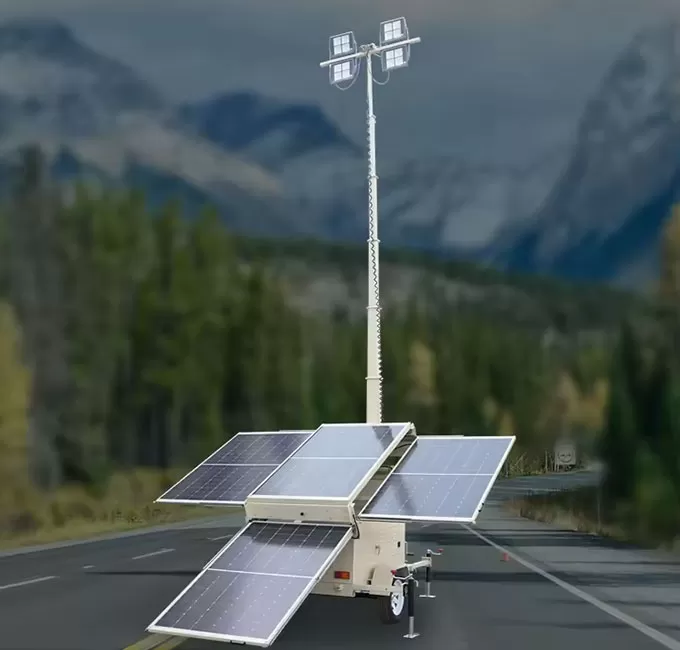
CircularEgg offers a mobile solar generator range with three SP-series configurations: 1.74 kW of solar with a 20.48 kWh battery, 2.61 kW with 30.72 kWh, and 3.48 kW with 46.08 kWh. The correct model is determined by the load profile and site conditions rather than by selecting the largest battery in isolation.
An off-grid load profile is a time-based record of every electrical device, its running power, operating duration, starting demand and importance to site operations.
Start with the equipment nameplate or verified measured demand. Record whether each device uses AC or DC power, its rated watts, expected hours per day and whether it operates continuously, on a schedule or only during an event. Also record which loads can run at the same time. A 1,000 W tool used for 30 minutes consumes only 0.5 kWh, but the inverter must still supply its full running power and any startup surge.
Daily energy and peak power answer different questions. Daily energy determines how much the solar array and battery must deliver over time. Peak power determines the minimum continuous output of the inverter, cabling and protection system. Starting power determines whether motors, compressors and pumps can start without an overload trip. Where the starting current is not shown on the nameplate, obtain it from the equipment manufacturer or measure it with suitable test equipment rather than relying on a generic multiplier.
The following example represents a small remote monitoring and site-support load:
| Load | Running power | Operating time | Daily energy | Main sizing effect |
|---|---|---|---|---|
| Communications and CCTV | 120 W | 24 h | 2.88 kWh | Continuous overnight battery demand |
| Site office electronics and charging | 500 W | 4 h | 2.00 kWh | Daytime energy and concurrent demand |
| LED site lighting | 240 W | 6 h | 1.44 kWh | Evening and overnight demand |
| Small pump | 800 W | 0.5 h | 0.40 kWh | Inverter running power and starting surge |
| Total | 6.72 kWh/day |
The energy calculation is power × operating hours ÷ 1,000. For the continuous 120 W load, 120 × 24 ÷ 1,000 equals 2.88 kWh per day. If all four example loads could operate simultaneously, the running demand would be 1.66 kW. The pump’s starting demand must then be checked separately.
Load timing also matters. Daytime equipment can use solar generation directly, while overnight equipment relies mainly on stored energy. Critical communications, security and safety loads may justify more reserve than deferrable tools or pumps. Before increasing the trailer size, consider whether non-critical loads can be scheduled during high-solar hours or prevented from operating simultaneously.
Mobile solar generator trailer sizing is the process of converting the load profile into minimum solar-array, battery and inverter requirements under defined design assumptions.
First calculate the design energy. The example load uses 6.72 kWh per day. If the project chooses a 15% allowance for measurement uncertainty and planned additions, the design load becomes:
6.72 kWh × 1.15 = 7.73 kWh per day
The 15% figure is an example project allowance, not a universal rule. A stable, measured load may need less allowance, while a site that expects more equipment may require more.
The initial solar-array calculation is:
Required PV capacity (kW) = design energy (kWh/day) ÷ [peak sun hours × net system factor]
Assume the site’s design-month solar resource is 4.0 peak sun hours per day and the project applies a 0.75 net system factor for temperature, dust, wiring, controller, battery and conversion losses. The result is:
7.73 ÷ (4.0 × 0.75) = 2.58 kW of solar
The 4.0-hour value is an illustration, not an Australia-wide assumption. Check the actual project coordinates and least productive operating month using a resource such as the Global Solar Atlas. If the trailer must recover quickly after several cloudy days while continuing to run the load, the array may need to be larger than the daily energy-balance calculation suggests. Mains, wind or generator-assisted charging can also be specified where uninterrupted recovery cannot depend on solar alone.
The initial battery calculation is:
Nominal battery capacity (kWh) = design energy × autonomy days ÷ [usable depth of discharge × discharge-path efficiency]
For 1.5 days of autonomy, an assumed 80% usable depth of discharge and 90% discharge-path efficiency:
7.73 × 1.5 ÷ (0.80 × 0.90) = 16.10 kWh nominal battery capacity
At two full days of autonomy, the same calculation becomes 21.47 kWh. Depth of discharge must match the battery manufacturer’s operating limits, battery-management settings, temperature range and required service life. The Victron Energy depth-of-discharge guidance explains why minimum state-of-charge controls and avoiding prolonged operation at low charge are important. Do not assume that every kilowatt-hour printed on a battery is available to the load.
The inverter must pass three checks: voltage and frequency compatibility, continuous simultaneous load, and short-duration surge capability. If the example site’s maximum concurrent running load is 1.66 kW and the project applies a 25% continuous-power allowance, the initial requirement is:
1.66 kW × 1.25 = 2.08 kW continuous output
A 3 kW inverter may therefore be a practical nominal selection, but only if its surge rating and duration can start the 800 W pump. Verify real and apparent power, power factor, startup current, waveform requirements and output socket limits. Adding the nameplate wattages of every device can oversize the inverter if they never run together, while ignoring concurrency can undersize it.
Trailer matching is the comparison of calculated energy, power and environmental requirements with a model’s verified solar, battery, inverter, output and deployment specifications.
CircularEgg's published SP-series specifications provide three useful reference points. The estimated solar energy in the table uses the same illustrative assumption of 4.0 peak sun hours and a 0.75 net system factor. It is a calculation example, not a guaranteed daily yield.
| CircularEgg model | Solar array | Battery capacity | Published runtime at 2 kW | Published runtime at 0.8 kW | Illustrative solar energy per day* |
|---|---|---|---|---|---|
| SP1740 | 1.74 kW | 20.48 kWh | 8 h | 20 h | 5.22 kWh |
| SP2610 | 2.61 kW | 30.72 kWh | 13 h | 30 h | 7.83 kWh |
| SP3480 | 3.48 kW | 46.08 kWh | 19 h | 47 h | 10.44 kWh |
*Calculated as array rating × 4.0 peak sun hours × 0.75. Actual production varies with location, season, weather, orientation, shading, temperature, panel condition and system settings. Product specifications checked in September 2026.
For the worked example, the 2.58 kW initial array requirement is slightly below the SP2610’s 2.61 kW array, while the calculated 16.10 kWh battery requirement is below its 30.72 kWh nominal capacity. This suggests that the SP2610 warrants detailed evaluation, but it does not complete the design. The inverter surge, worst-month solar data, battery reserve, recovery time and actual operating schedule still need verification.
The SP3480 mobile solar generator trailer provides 3.48 kW of monocrystalline solar and 46.08 kWh of LiFePO4 storage. Its published specification lists optional inverter power from 1 kW to 5 kW, solar or mains charging, and a working temperature range of −35°C to 60°C. These ratings can suit higher daily loads or longer autonomy requirements, but a 5 kW inverter does not mean the system can sustain a 5 kW load indefinitely. Runtime still depends on usable battery energy and daily solar recovery.
Before approving a trailer, test the design against the least favourable credible conditions: winter solar resource, dusty or partially shaded panels, overnight critical loads, cold or hot battery operation, load growth and the required recovery period after poor weather. Confirm transport dimensions, operating footprint, axle and towing requirements, ground conditions, panel deployment clearance and safe cable routing.
Electrical protection is part of sizing, not an afterthought. Safe Work Australia states that licensed or registered electricians should carry out electrical work and highlights suitable protection, inspection, testing and residual current devices for portable electrical equipment. Review the applicable electrical safety guidance and the requirements of the relevant state or territory before deployment.
Commissioning should include a real load test, motor-start test, protection test and at least one full operating-cycle review. Record solar input, battery state of charge, inverter load and overnight energy use. If the battery fails to return to the target state of charge during representative conditions, reduce or reschedule loads, add charging capacity or select a larger system.
A correctly sized mobile solar generator trailer meets daily energy, peak power, surge, autonomy and solar-recovery requirements at the same time.
Begin with a measured load schedule, not a product catalogue. Calculate watt-hours for every load, identify simultaneous and starting demand, choose a justified autonomy target, and use the project’s least productive solar period. Apply clearly stated allowances instead of hiding optimistic assumptions inside the model.
The worked example requires approximately 7.73 kWh per day after its chosen allowance, 2.58 kW of solar under the stated resource and loss assumptions, 16.10 kWh of nominal storage for 1.5 days of autonomy, and at least 2.08 kW of continuous inverter output before the pump-start check. Those results make a mid-sized configuration worth evaluating, but they are not a substitute for site-specific engineering.
CircularEgg can compare the load against SP1740, SP2610 and SP3480 configurations and account for charging, output and trailer requirements. To obtain a defensible recommendation, request an off-grid load sizing review and provide the site coordinates, operating months, equipment list, watts, hours, startup data, required autonomy, delivery location and backup-power policy.
Create a complete load schedule. Record each device’s running watts, hours per day, operating time, AC or DC supply, simultaneous use and startup demand. The schedule should separate critical loads from loads that can be delayed or switched off during poor solar conditions.
Kilowatts measure instantaneous power and determine inverter capacity. Kilowatt-hours measure energy used over time and determine battery and solar-array capacity. A 2 kW tool operating for 30 minutes uses 1 kWh, but the inverter must still support at least 2 kW plus any starting surge.
There is no single correct number. Autonomy should reflect the site’s worst-month weather, load criticality, acceptable downtime and availability of backup charging. This article uses 1.5 days only as a worked assumption. Remote critical sites may require more reserve or a hybrid backup source.
No. A large battery can run the load for longer, but an undersized solar array may not replace the energy used each day. The trailer must pass separate checks for daily solar recovery, usable battery energy, continuous inverter power, startup surge and electrical outputs.
It can if the inverter supplies the equipment’s continuous and starting requirements and the battery can deliver the required current. Obtain the motor’s startup data and check the inverter’s surge rating and surge duration. Do not assume that a suitable daily kWh result guarantees successful motor starting.
Send the project coordinates, operating season, equipment list, rated and measured power, daily runtime, concurrent-use schedule, motor-start information, required autonomy, output voltage and frequency, critical-load policy, available backup charging, transport restrictions and deployment footprint. Clear input data allows CircularEgg to compare the load with an appropriate trailer configuration rather than estimate from one headline wattage.