0573-84182266
+86-18661941877

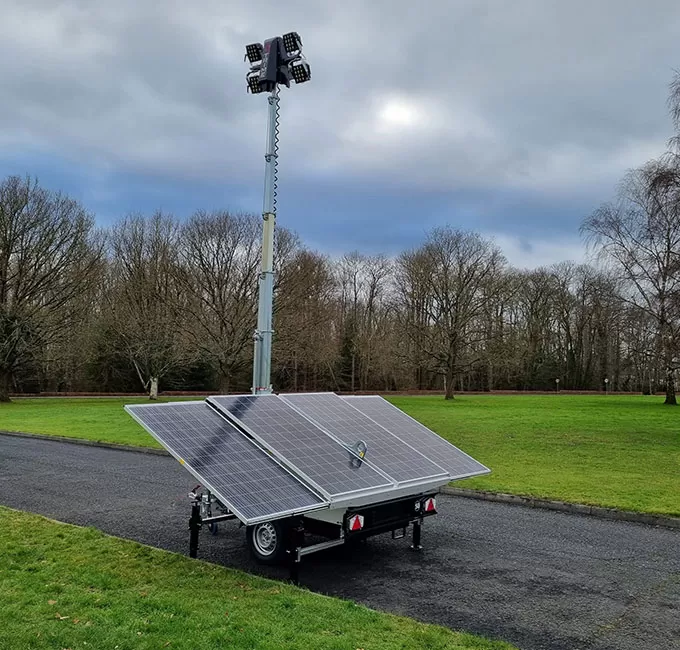
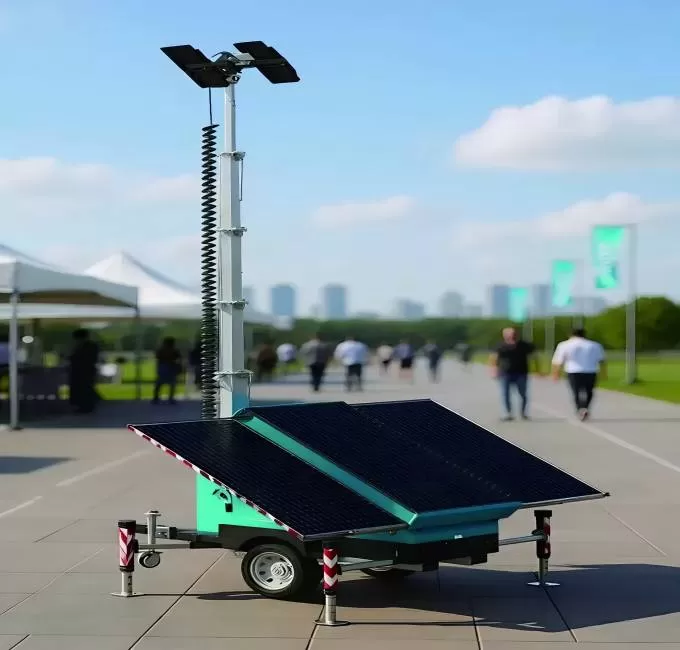
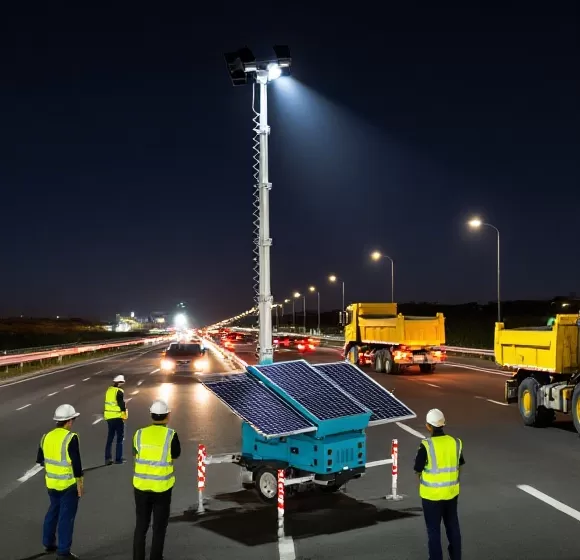
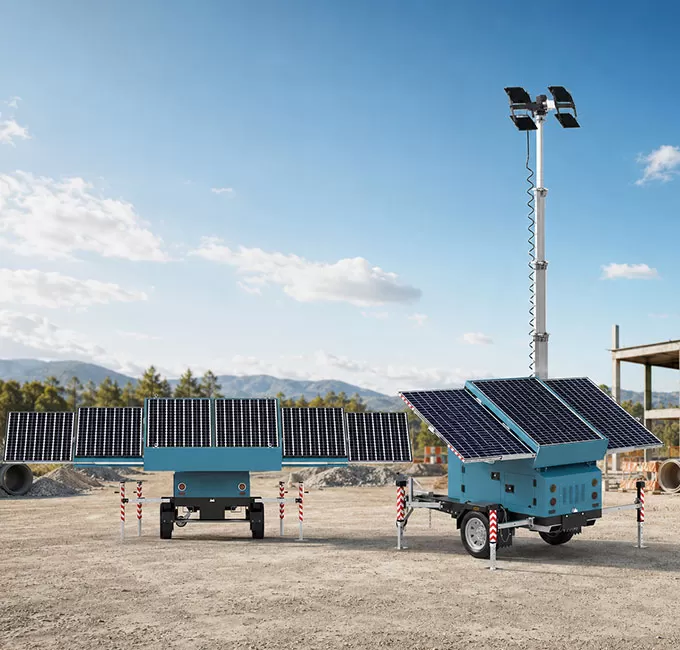
With rising fuel prices, stricter environmental regulations, and increasing demand for sustainable site solutions, many businesses are comparing solar light tower and diesel light tower options. Choosing the right mobile lighting system can significantly impact project costs, safety, and environmental compliance.
This article provides a detailed, side-by-side comparison to help you decide which technology best suits your needs in 2026.
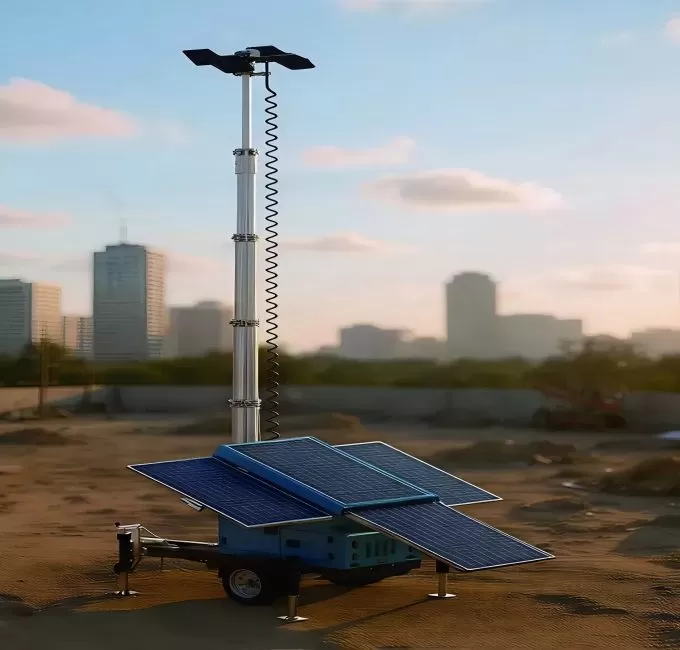
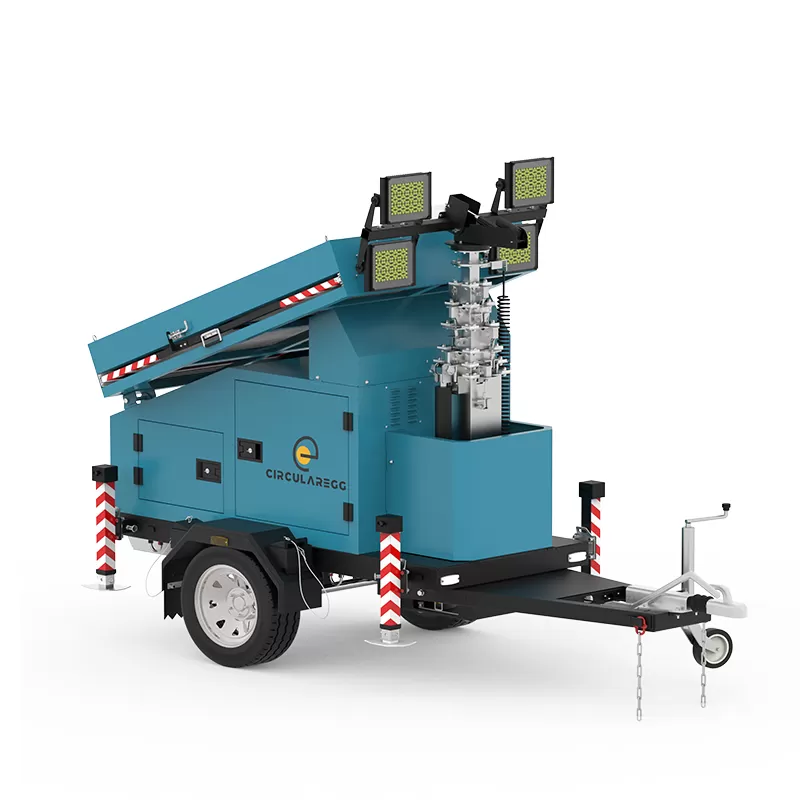
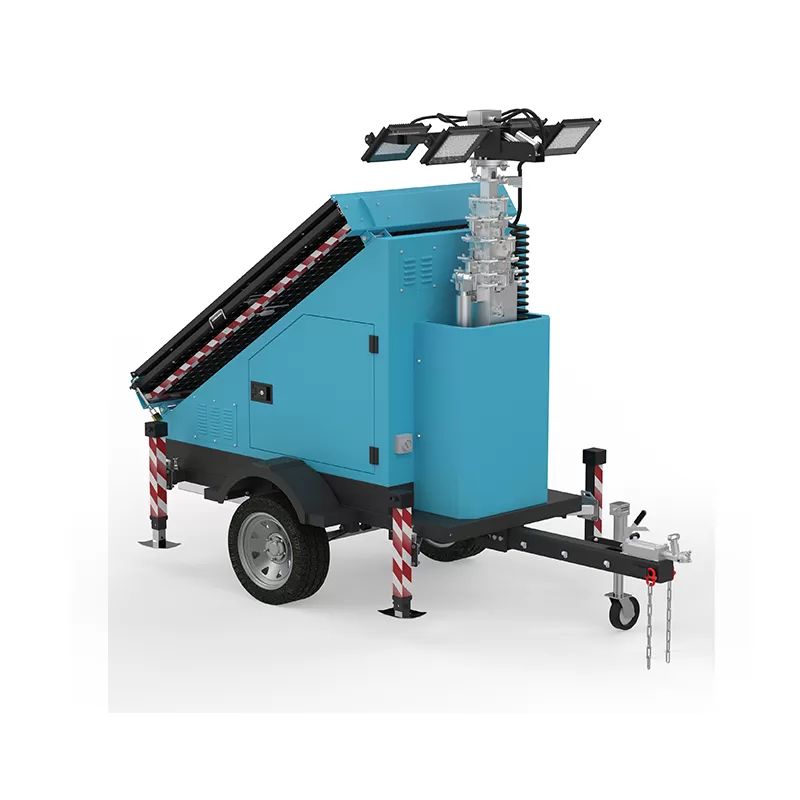
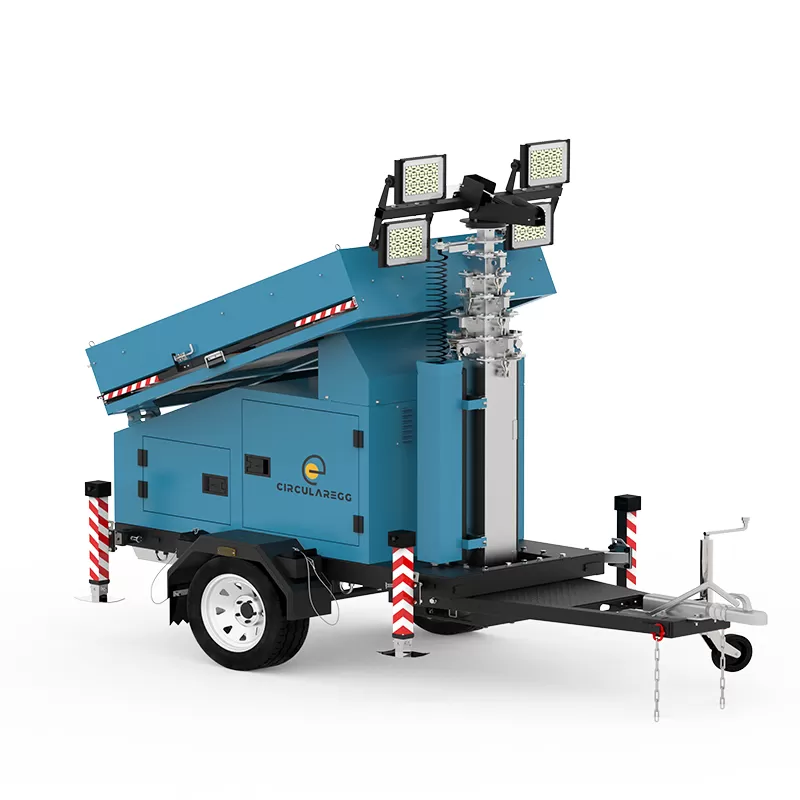
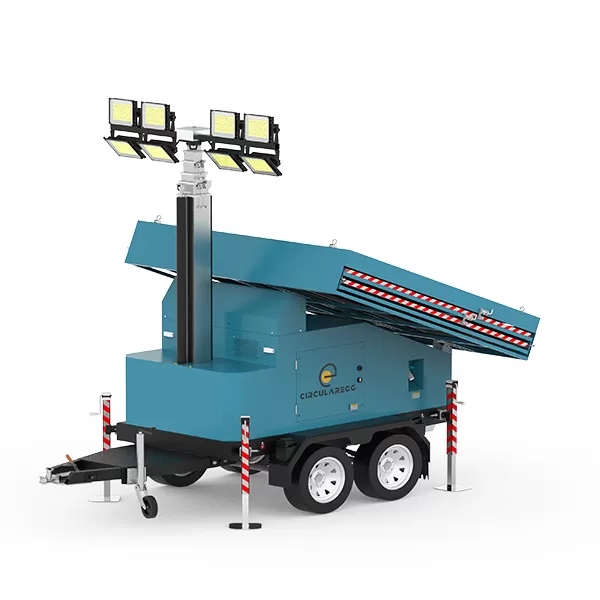
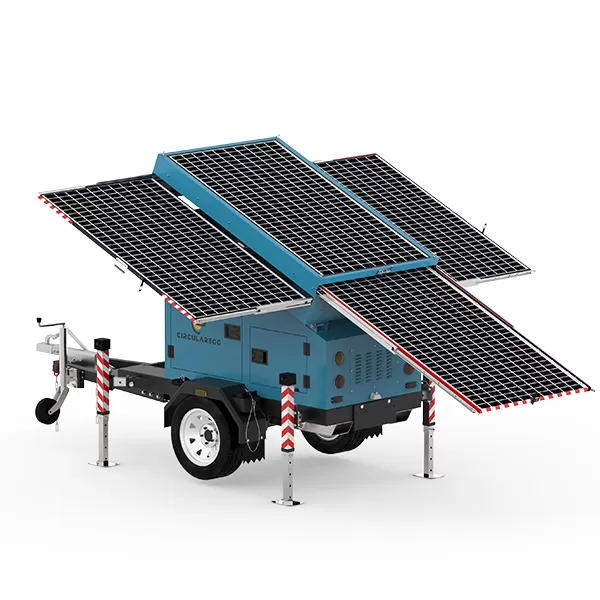
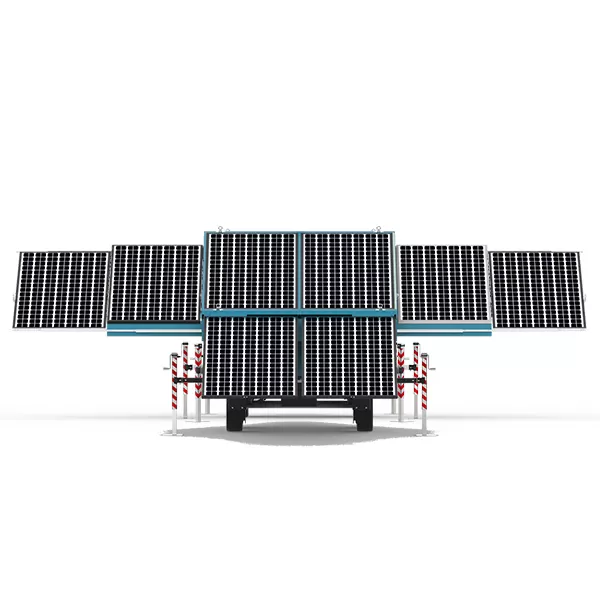
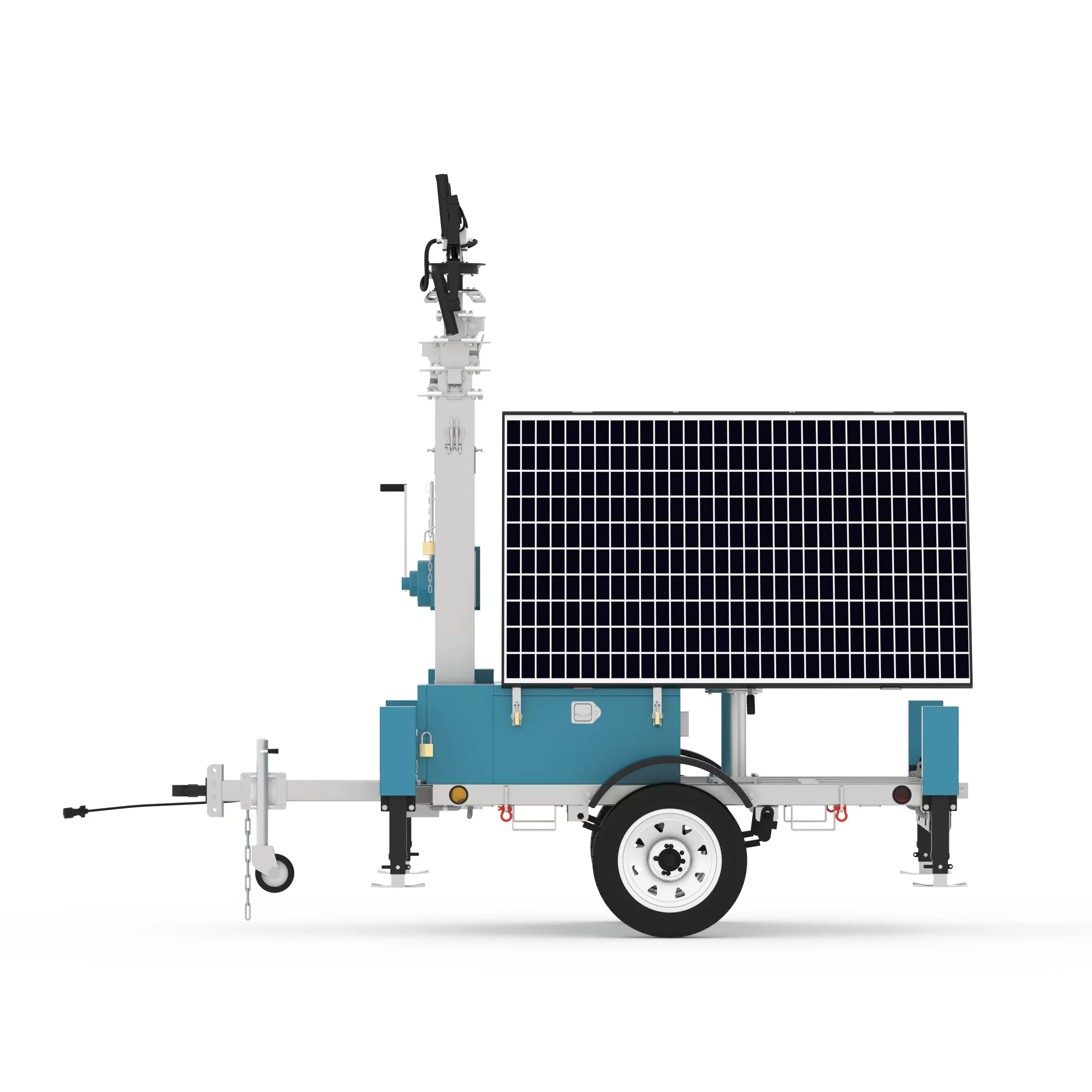
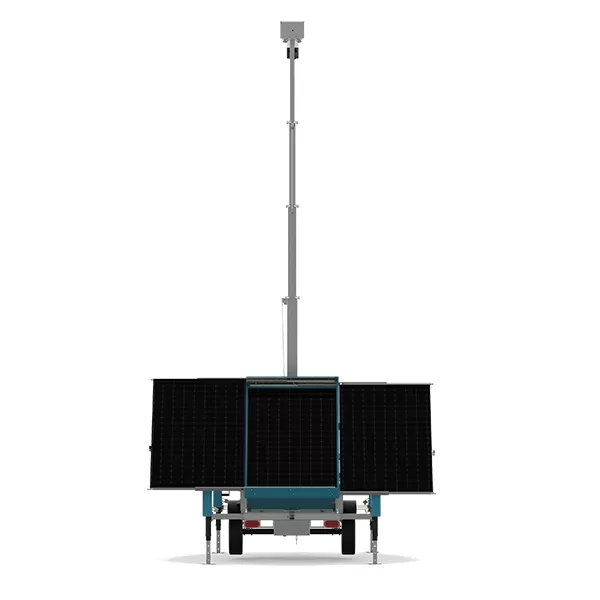
Solar light towers are portable, trailer-mounted units powered by solar panels and battery storage. They use high-efficiency LED lights and require no fuel.
Diesel light towers, on the other hand, rely on diesel generators to power metal halide or LED lights. While they have been the industry standard for decades, they come with ongoing fuel consumption, noise, and emissions.
The fundamental difference lies in the power source: free solar energy versus continuous diesel fuel dependency. This single factor affects almost every aspect of performance, cost, and usability.
Initial purchase price is often the first consideration, but the total cost of ownership tells a more complete story.
Here is a realistic 3-year cost comparison for mid-range mobile towers:
| Category | Solar Light Tower | Diesel Light Tower |
|---|---|---|
| Initial Purchase Price | Higher ($15,000 – $30,000) | Lower ($5,000 – $15,000) |
| Annual Fuel Cost | $0 | $3,000 – $8,000+ |
| Annual Maintenance | Very Low ($200 – $500) | High ($1,000 – $2,500) |
| Total 3-Year Operating Cost | $600 – $1,500 | $12,000 – $30,000+ |
| Total 3-Year Ownership Cost | Moderate to High | Often Higher due to fuel |
| Break-even Period | 1.5 – 3 years | N/A |
Solar light towers typically deliver substantial savings after the first 18–36 months through eliminated fuel and lower maintenance requirements.
Runtime and Reliability
Diesel towers can run continuously as long as fuel is supplied, making them less weather-dependent. Solar towers rely on sunlight and battery capacity, offering 3–7 nights of autonomy on a full charge depending on the model and weather. Modern high-capacity solar systems perform well even in variable conditions.
Noise and Emissions
Solar towers operate silently with zero on-site emissions, making them ideal for noise-sensitive areas and projects with strict ESG requirements. Diesel towers generate significant noise and exhaust fumes.
Maintenance
Solar systems have fewer moving parts, resulting in lower maintenance needs. Diesel units require regular engine servicing, oil changes, and filter replacements.
Ease of Use
Solar towers are often equipped with automatic dusk-to-dawn settings and remote controls, reducing labor for daily operation.
Many regions and large contractors now impose strict limits on emissions and noise. Solar light towers help organizations meet sustainability targets, qualify for green incentives, and improve their environmental reputation. Diesel towers may face increasing restrictions or additional compliance costs in the coming years.
For projects prioritizing ESG performance, solar solutions provide a clear advantage.
Choose Solar when projects involve long-term deployment, noise-sensitive locations, or strong sustainability goals. They excel in reducing long-term costs and operational hassle.
Choose Diesel for short-term, high-intensity jobs in areas with limited sunlight or where maximum continuous brightness is critical regardless of weather.
Consider Hybrid systems if you need the reliability of diesel backup combined with the efficiency of solar.
Most users with recurring or medium-to-long-term needs find solar light towers deliver the best overall value in 2026.
Circularegg specializes in high-performance mobile solar light towers engineered for reliability in extreme conditions. Their systems combine efficient solar arrays, large battery banks, and durable designs to deliver consistent results with minimal maintenance.
For organizations looking to reduce costs and environmental impact, Circularegg offers robust solar lighting solutions tailored to real-world project demands.
For a broader overview that also covers surveillance options, read our comprehensive guide: The Ultimate Guide to Mobile Solar Light Towers and Mobile Surveillance Towers for Sale in 2026
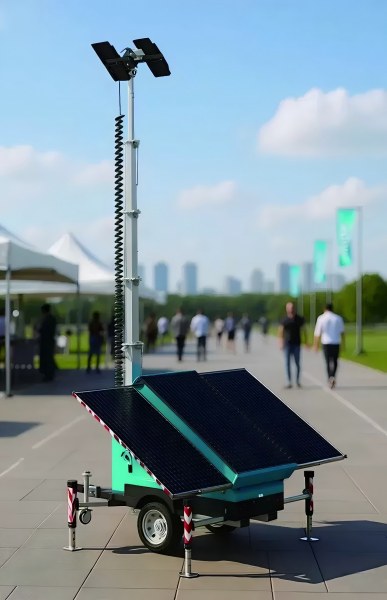
In conclusion, while diesel light towers still have a place in certain scenarios, solar light towers are rapidly becoming the smarter choice for most applications due to lower operating costs, quieter operation, and environmental benefits. Circularegg provides well-engineered solar solutions that help businesses transition smoothly to cleaner and more cost-effective lighting.
Diesel towers often produce higher peak brightness, but modern solar light towers with powerful LED systems can deliver sufficient illumination for most construction and industrial applications.
Advanced solar towers with large batteries can operate effectively for several days with limited sunlight, though performance is best in areas with regular daylight.
Yes. They typically need daily refueling, startup, and regular maintenance, while solar towers are largely set-and-forget with minimal daily intervention.
Generally no. With fewer mechanical parts, solar systems often have lower repair frequency and costs compared to diesel engines over time.
Conversion is usually not practical. It is more cost-effective to invest in a purpose-built solar light tower from the start.